

Turnkey Design & Execution is one of the most effective ways to ensure smoother, higher-quality project outcomes. In complex design and construction projects, one of the biggest sources of delay, cost overrun, and compromised quality is fragmentation. When architecture, interiors, and project execution are handled by separate teams with limited coordination, gaps inevitably appear — in detailing, in decision-making, and in on-site quality.
Many clients are now choosing Turnkey Design & Execution to reduce coordination gaps and protect design quality. This is why turnkey design and execution has become an increasingly preferred approach for residential, commercial, and hospitality clients who value clarity, accountability, and consistent results. At Xtord Designs, we see end-to-end delivery as a powerful way to protect both the design vision and the client’s investment.
As discussed in industry insights from ArchDaily, integrated design and delivery models help maintain design integrity from concept through completion.
What Is Turnkey Design & Execution?
Turnkey design and execution means a single coordinated team takes responsibility for the project from concept through to completion. This typically includes:
- Architecture and spatial planning
- Interior design and material selection
- Technical detailing and specifications
- Project management and coordination
- On-site execution oversight and quality control
Clients choosing Turnkey Design & Execution benefit from clearer accountability. The client receives a fully integrated solution rather than managing multiple independent consultants and contractors. The process is designed to reduce friction and keep the original design intent intact all the way to handover.
Why End-to-End Project Delivery Matters
1. Stronger Design Integrity
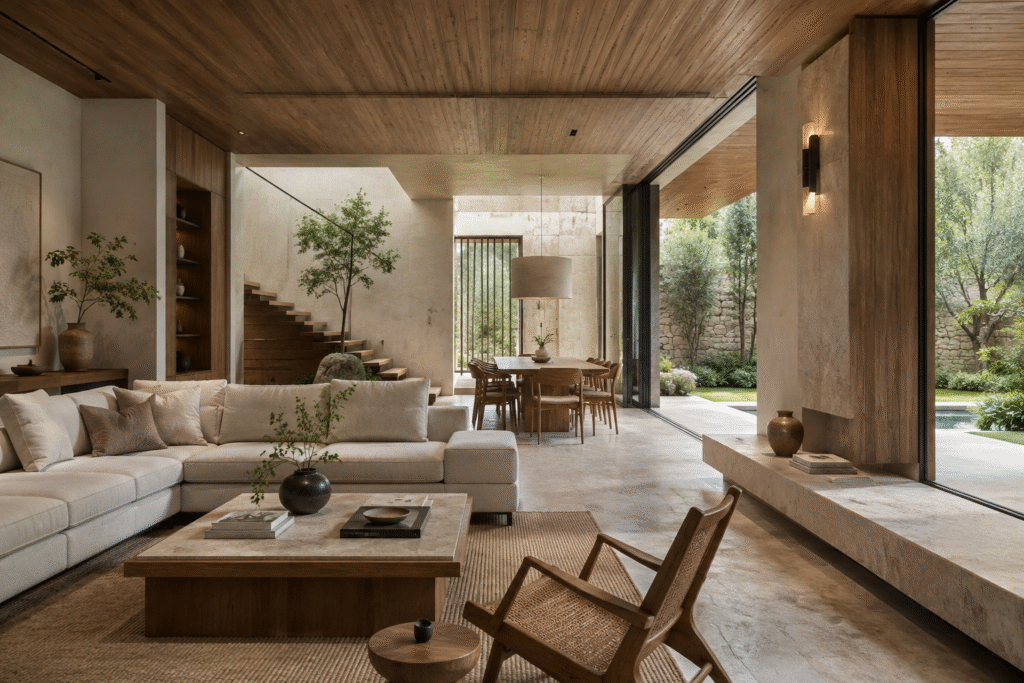
When architecture and interiors are developed together from the start, spatial decisions, material choices, lighting, and detailing remain coherent. The finished environment feels intentional and resolved rather than assembled from disconnected parts.
2. Fewer Coordination Gaps
Many project issues arise at the interfaces between disciplines — where architectural drawings meet interior specifications, or where design intent meets site realities. A turnkey approach significantly reduces these gaps by keeping design and execution under unified oversight.

3. Better Cost and Timeline Control
Integrated teams can anticipate challenges earlier, make informed decisions faster, and avoid the costly redesign cycles that often occur when separate parties work in isolation. This leads to more predictable budgets and smoother progress on site.
4. Clearer Accountability
With one primary point of responsibility, communication becomes simpler and decision-making more efficient. Clients know exactly who is accountable for outcomes, which reduces confusion and delays.
5. Higher Overall Quality
Because the same team that shaped the design vision remains involved through execution, quality standards are more consistently maintained. Details are less likely to be diluted or compromised during construction.
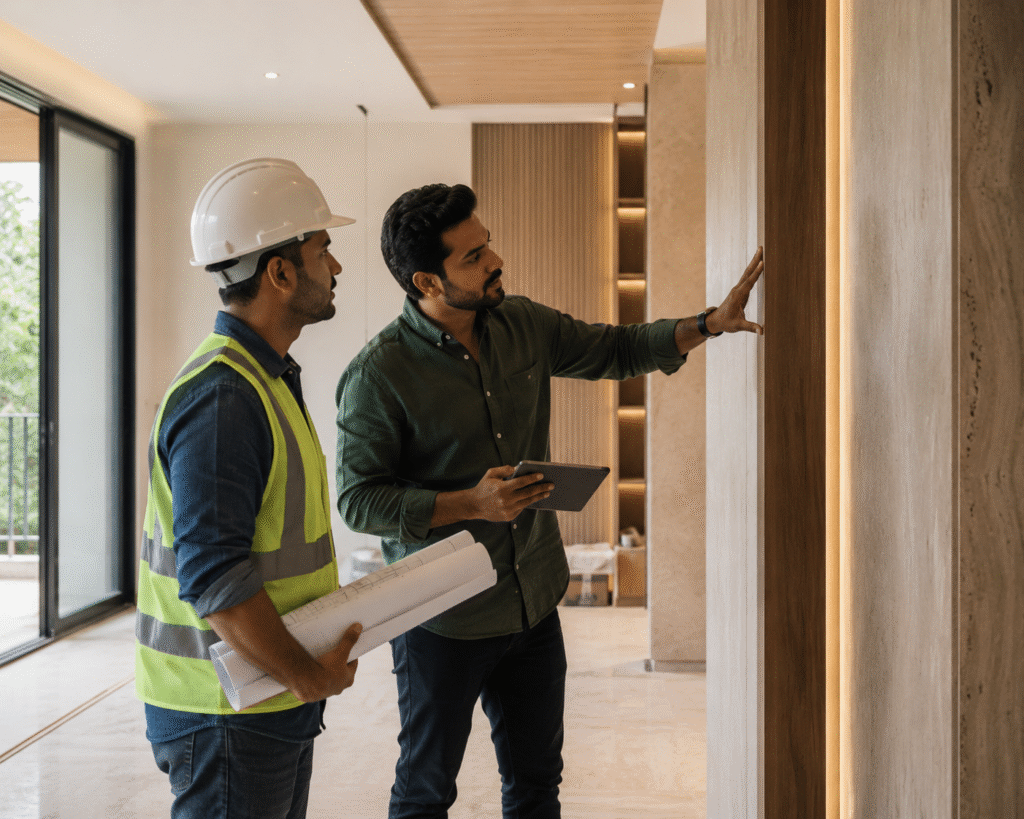
According to perspectives shared by Dezeen, projects with unified design and execution teams often achieve better coordination and higher overall quality.
How Turnkey Delivery Works in Practice
A well-structured turnkey process typically moves through these stages:
Handover — The completed project is delivered as a cohesive, ready-to-use environment that reflects the original vision.
Concept & Design Development — Architecture and interiors are developed in parallel, with early alignment on budget, site conditions, and client priorities.
Detailed Design & Specifications — Technical drawings, material schedules, and execution details are prepared with constructability firmly in mind.
Procurement & Coordination — Vendors, materials, and site teams are aligned under a single management framework.
Execution & Quality Oversight — On-site progress is monitored continuously against the design intent, with active coordination between all parties.
Benefits Across Project Types
Clients who adopt Turnkey Design & Execution benefit from clearer accountability and more consistent results.
Residential
Homeowners gain a smoother, less stressful experience with fewer decisions to manage and greater confidence that the finished home will match what was promised.
Commercial
Businesses benefit from faster, more predictable delivery and interiors that support both brand identity and day-to-day operational needs.
Hospitality
Boutique hotels, wellness retreats, and experiential projects especially benefit from the seamless integration of architecture, interiors, and atmospheric detailing.
Also Read: Essential material selection well-being: 7 Ways Materials Shape Healthier Spaces
How Xtord Designs Approaches Turnkey Projects
At Xtord Designs, we specialise in Turnkey Design & Execution for residential, commercial, and hospitality projects. We treat turnkey delivery as a collaborative process rather than a rigid package. Our role is to integrate design thinking with practical project management so that creativity and execution reinforce each other at every stage.
This means early alignment on goals, transparent communication, realistic planning, and continuous attention to both aesthetic quality and construction realities. The result is projects that feel resolved, coherent, and carefully delivered — without unnecessary complexity for the client.
Final Thoughts
Turnkey design and execution is not simply a convenience. It is a strategic approach that protects design quality, reduces risk, and creates clearer pathways from vision to reality.
For clients seeking smoother processes and higher-quality outcomes, end-to-end delivery offers a meaningful advantage. Whether the project is a private residence, a commercial interior, or a hospitality environment, integrated responsibility often leads to better, more consistent results.
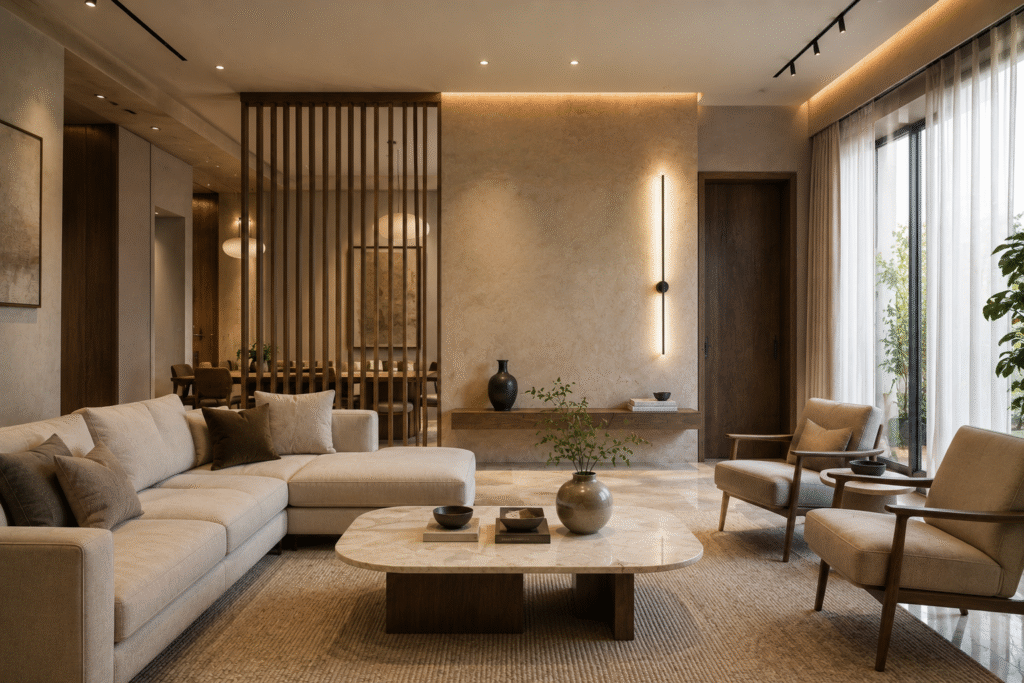
If you are planning a project and want to explore a turnkey approach that combines architecture, interiors, and execution under one coordinated team, we would be happy to discuss how it can work for you.
Resources such as Architectural Digest highlight the growing preference for end-to-end project delivery among clients seeking clarity and consistent results.
Frequently Asked Questions
Q1: What does turnkey design and execution mean?
It means one team handles the project from concept through design, coordination, and completion, delivering a fully finished outcome.
Q2: How is turnkey different from hiring separate architects and contractors?
In a turnkey model, design and execution are integrated under unified responsibility, reducing coordination gaps and improving accountability.
Q3: Does turnkey delivery limit design creativity?
No. When done well, it strengthens design outcomes by ensuring ideas are developed with constructability and quality in mind from the beginning.
Q4: Is turnkey suitable for residential projects?
Yes. Many homeowners prefer it because it simplifies decision-making and provides clearer oversight throughout the process.
Q5: Can turnkey work for commercial and hospitality projects?
Absolutely. These project types often benefit most from strong coordination between architecture, interiors, and execution.
Q6: Does turnkey mean the client has less involvement?
Clients remain involved in key decisions. The difference is that day-to-day coordination is managed more efficiently.
Q7: How does turnkey help with budgets and timelines?
Early integration of design and execution allows for more realistic costing and fewer expensive changes later in the process.
Q8: When should a client consider a turnkey approach?
Ideally from the very beginning of the project, so design and delivery can be fully aligned from the start.