

The Art of Residential Architecture is about creating homes that feel personal, calm, and deeply livable. A house becomes a home when it begins to feel like an extension of the people who live in it. This is the essence of the art of residential architecture — designing spaces that are not only functional and beautiful, but deeply personal.
At Xtord Designs, we approach residential architecture as a careful balance between spatial clarity, emotional comfort, and the unique rhythms of everyday life. The goal is not to create a showpiece, but a place that feels natural to inhabit over many years.
As explored in design discussions on ArchDaily, the most successful residential architecture prioritises emotional connection and everyday livability alongside aesthetics.
What Makes Residential Architecture Feel Personal?
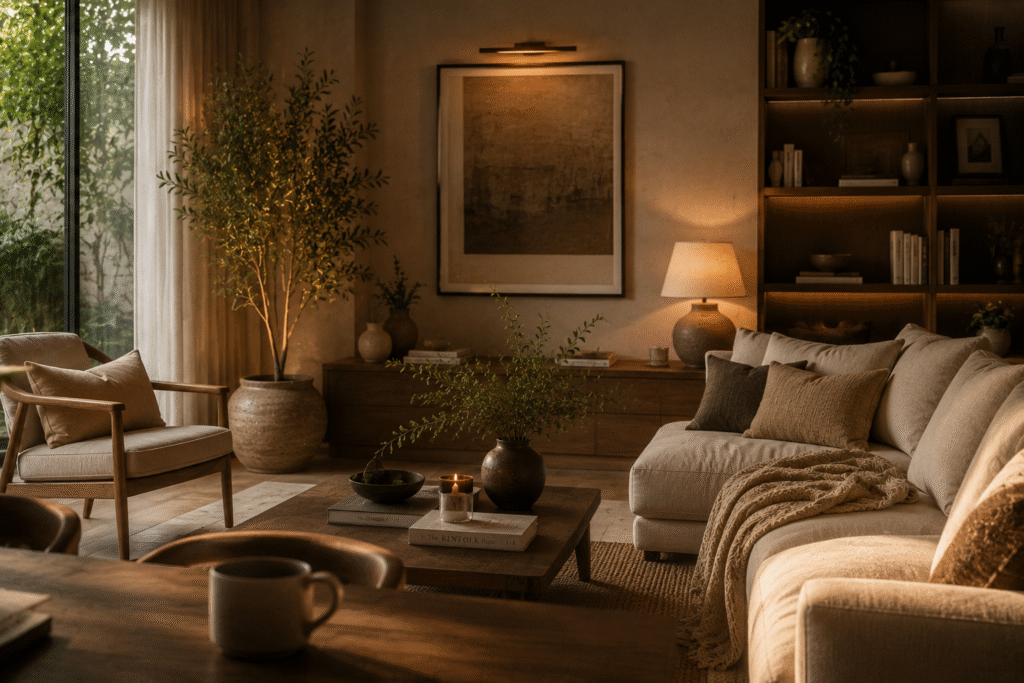
Personal architecture goes beyond floor plans and finishes. It responds to how people move, gather, rest, and find privacy. It considers light, proportion, materiality, and the quiet details that shape daily experience.
- A home that feels personal typically has:
- A sense of calm rather than visual noise
- Spaces that support both togetherness and solitude
- A clear relationship with its site and surroundings
- Materials and details that feel honest and lasting
Key Principles of The Art of Residential Architecture
1. Understanding the Way People Live
The best residential architecture begins with listening. How does the family gather? Where do they need quiet? How do they move through the day? Design decisions become meaningful when they respond to real patterns of living.
2. Creating Emotional Connection Through Space
Proportion, light, and sequence influence how a home feels. Double-height volumes can create openness, while intimate corners offer refuge. Thoughtful transitions between rooms help the home feel coherent and settled.
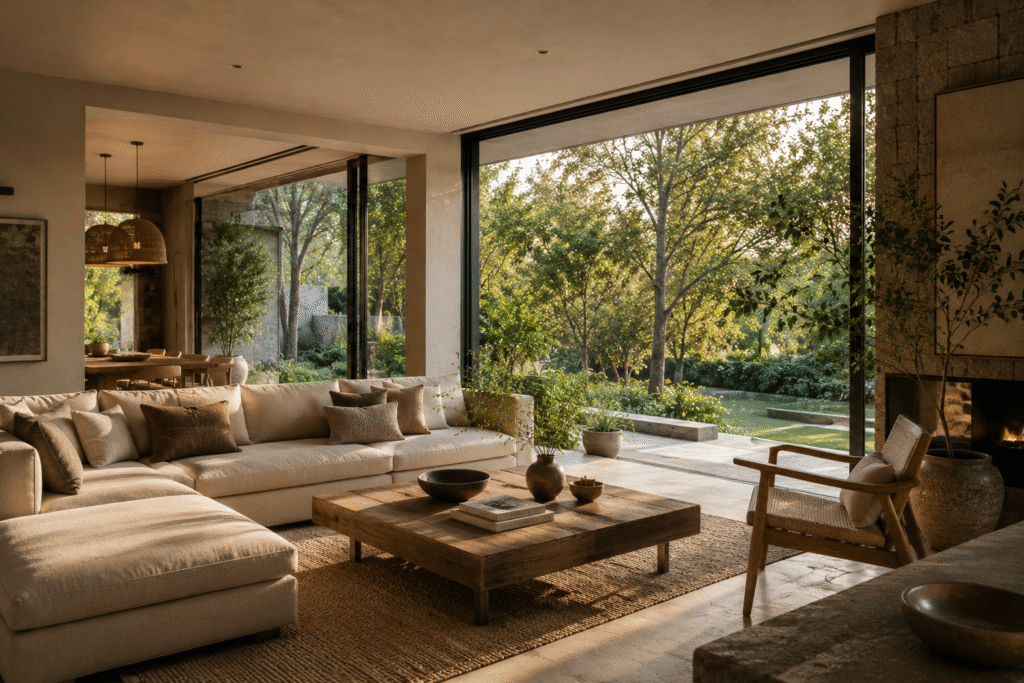
3. Strong Relationship with Site and Nature
Orientation, views, and indoor-outdoor connections play a major role in livability. A home that engages with natural light, landscape, and climate feels more grounded and alive.
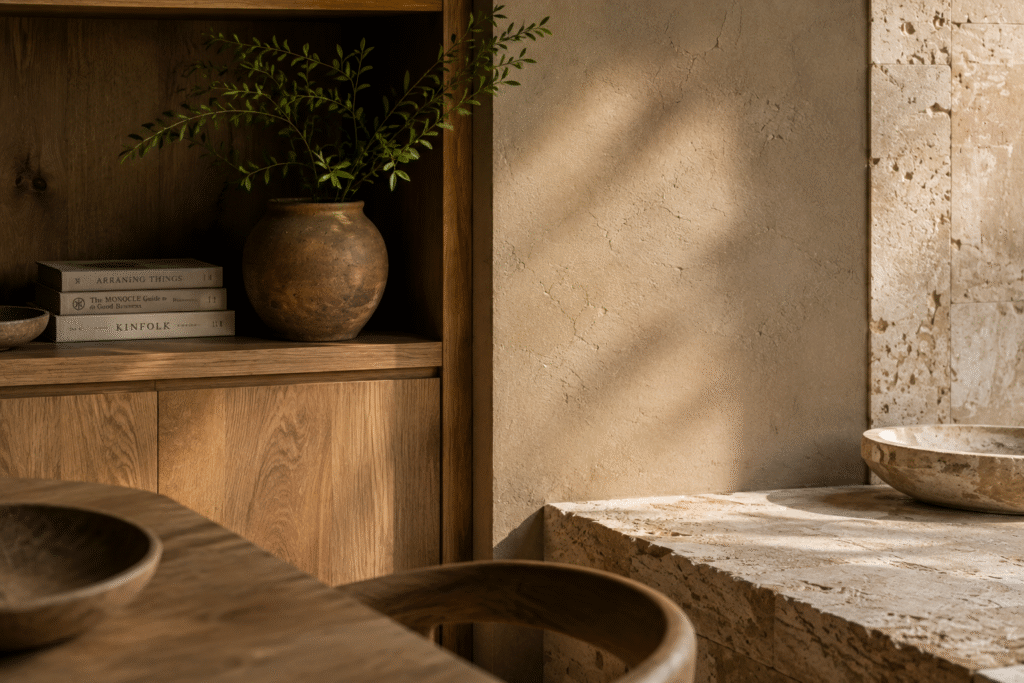
4. Material Honesty and Longevity
Materials that age gracefully — wood, stone, natural plasters — contribute to a sense of permanence and warmth. They support both aesthetic quality and long-term comfort.
5. Flexibility for Changing Needs
Homes should be able to evolve. Flexible spaces, adaptable rooms, and considered storage allow a residence to remain relevant as lifestyles change over time.
Insights from Dezeen highlight how thoughtful spatial design and honest materials contribute to homes that feel personal and enduring.
Designing for Long-Term Livability
True livability is measured over years, not just at the moment of completion. This means prioritising:
- Comfortable thermal and acoustic environments
- Practical circulation and storage
- Durable, low-maintenance details
- Spaces that remain emotionally supportive as needs shift
When these elements are integrated early, the home continues to feel right long after the novelty of a new build has faded.
How Xtord Designs Approaches Residential Architecture
We begin every residential project by understanding the people who will live there. Architecture and interiors are developed together so that spatial decisions and everyday experience remain aligned.
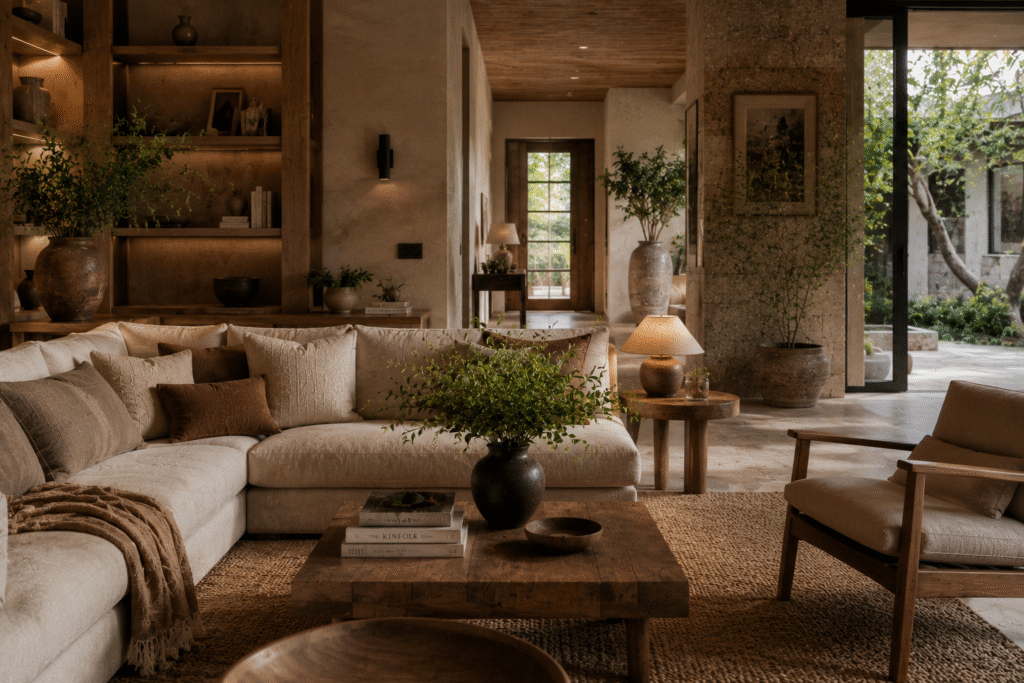
At Xtord Designs, we practise The Art of Residential Architecture by prioritising emotional connection and long-term comfort. Our process emphasises clarity, restraint, and sensitivity to context. Whether the project is a private villa, a family home, or a more compact urban residence, the aim is the same: create a place that feels personal, calm, and enduring.
Also Read: Quiet Luxury Interiors: The New Language of Sophisticated Design
Final Thoughts
The art of residential architecture lies in creating homes that support life rather than perform for it. When design is guided by empathy, craft, and long-term thinking, the result is a home that feels genuinely personal — a place people return to with ease and stay in with comfort.
If you are planning a residential project and want architecture that balances beauty with everyday livability, we would be happy to explore the possibilities with you.
According to perspectives shared by Architectural Digest, residential architecture succeeds when it supports the way people actually live over time.
Frequently Asked Questions
Q1: What makes residential architecture feel personal?
It responds to the specific ways people live, prioritising emotional comfort, practical needs, and a strong sense of place.
Q2: How important is the relationship with the site?
Very important. Orientation, views, light, and landscape connections significantly influence how a home feels day to day.
Q3: Can modern residential architecture still feel warm and personal?
Yes. When natural materials, thoughtful proportions, and human-scaled details are prioritised, modern homes can feel deeply inviting.
Q4: What role do materials play in residential architecture?
Materials affect atmosphere, durability, and sensory comfort. Honest, lasting materials support both beauty and long-term livability.
Q5: How do you design for changing family needs?
By creating flexible spaces, adaptable rooms, and practical storage that can evolve over time.
Q6: Is residential architecture only about aesthetics?
No. The strongest residential design balances aesthetics with comfort, functionality, and emotional well-being.
Q7: How early should architectural decisions be made?
As early as possible. Foundational decisions about layout, orientation, and structure shape the entire experience of the home.
Q8: What is the biggest mistake in residential design?
Prioritising visual impact over everyday livability and long-term comfort.