In recent years, the most refined spaces are no longer the ones that shout for attention. They are the ones that feel calm, intentional, and quietly confident. This shift is at the heart of quiet luxury interiors — a design language that prioritises understated elegance, natural materials, and emotional comfort over spectacle.
At Xtord Designs, we see this approach shaping high-end residential homes, boutique hospitality projects, and sophisticated commercial environments. Quiet luxury is not about doing less. It is about doing things with greater care, restraint, and sensitivity.
As noted in recent design discussions on ArchDaily, quiet luxury prioritises quality, restraint, and lasting emotional comfort over visual spectacle.
What Is Quiet Luxury in Interiors?
Understanding material selection well-being helQuiet luxury is a design philosophy rooted in quality, authenticity, and longevity. It favours:
- Refined natural materials over synthetic finishes
- Soft, layered textures over high-gloss surfaces
- Thoughtful proportions and spatial calm over visual noise
- Emotional comfort as a primary measure of success
Unlike trends that rely on bold statements, quiet luxury creates spaces that feel timeless and deeply livable.
Why Quiet Luxury Interiors Are Defining High-End Spaces
Today’s discerning clients — whether homeowners or hospitality and commercial developers — are seeking environments that support well-being rather than demand attention. They want spaces that feel restful, grounded, and enduring.
Quiet luxury interiors deliver this by focusing on sensory experience: how a material feels under the hand, how light moves through a room, how sound is softened, and how the overall atmosphere supports calm and clarity.
Key Elements of Quiet Luxury Interiors
1. Natural and Honest Materials
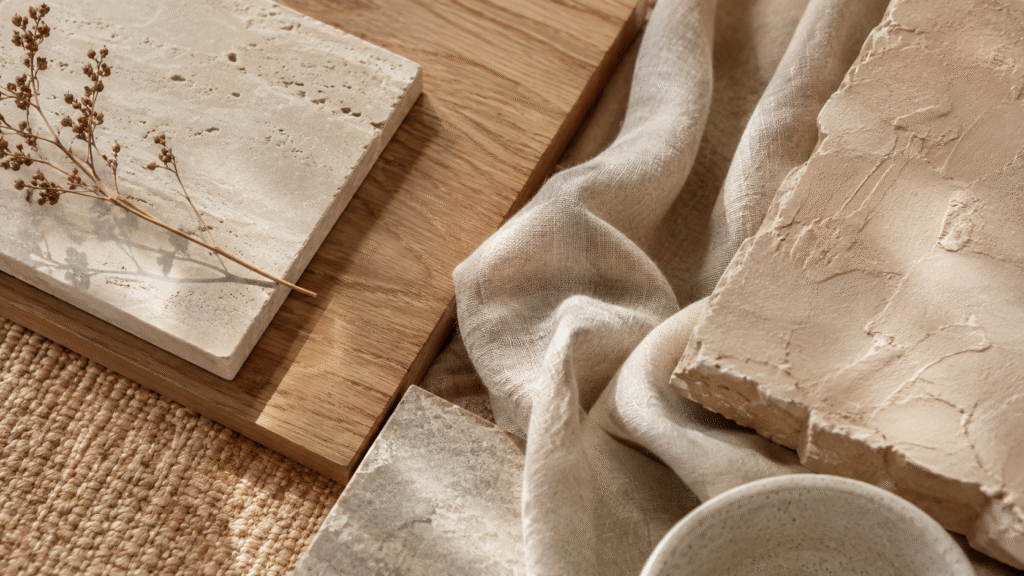
Solid wood, natural stone, linen, wool, clay plasters, and handcrafted finishes form the foundation. These materials age gracefully and bring warmth and authenticity that manufactured alternatives struggle to match.
2. Soft, Layered Textures
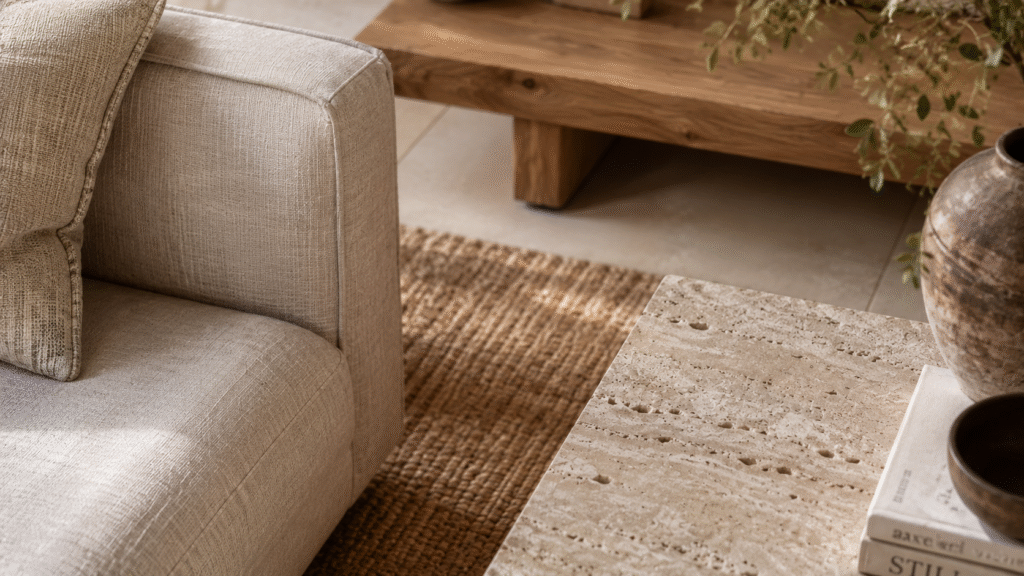
Quiet luxury avoids flat or overly polished surfaces. Instead, it layers tactile experiences — soft textiles against raw stone, smooth timber against woven fabrics — creating depth without visual clutter.
3. Restrained Colour Palettes
Warm neutrals, soft earth tones, and muted natural hues dominate. Colour is used to create atmosphere rather than to make a statement.
4. Thoughtful Spatial Calm
Generous proportions, clear sightlines, and carefully considered negative space allow rooms to breathe. The result is an environment that feels composed and restorative.
5. Emotional Comfort as a Design Goal
Beyond aesthetics, quiet luxury prioritises how a space makes people feel. Soft acoustics, balanced lighting, and human-scaled detailing all contribute to a sense of ease and belonging.
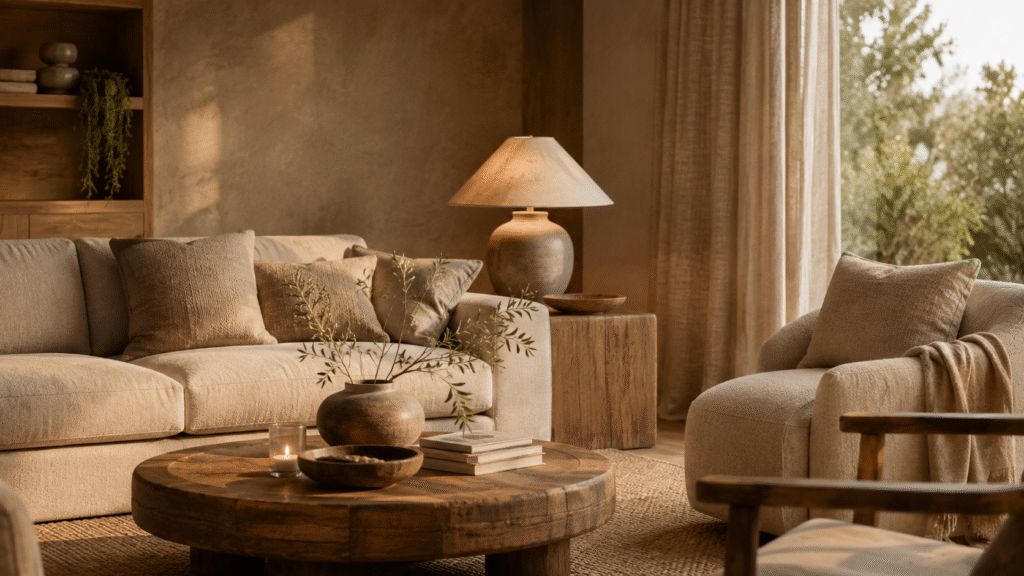
Research and insights from Dezeen highlight how natural materials and understated design are shaping the next generation of sophisticated interiors.
Applications Across Project Types
Residential
In homes, quiet luxury creates private sanctuaries that feel both elevated and deeply personal. It supports everyday living while maintaining a refined, timeless quality.
Commercial
In offices, showrooms, and mixed-use spaces, this approach fosters focus, calm, and a strong sense of brand sophistication without relying on excess.
Hospitality
In boutique hotels and wellness environments, quiet luxury enhances the guest experience by creating spaces that feel restorative rather than performative.
Also Read: Essential material selection well-being: 7 Ways Materials Shape Healthier Spaces
How Xtord Designs Approaches Quiet Luxury
We believe quiet luxury is achieved through disciplined decision-making. Every material, finish, and detail is evaluated for its contribution to atmosphere, longevity, and human comfort. Our process integrates architecture and interiors so that the final environment feels cohesive and effortless.
The goal is never to impress at first glance, but to create spaces that continue to feel right over time.
Final Thoughts
Quiet luxury interiors represent a mature and enduring approach to sophisticated design. By prioritising understated elegance, natural materials, and emotional comfort, they create environments that support well-being while remaining visually refined.
Whether we are designing a private residence, a commercial interior, or a hospitality project, this philosophy allows us to craft spaces that feel both elevated and genuinely human.
According to perspectives shared by Architectural Digest, quiet luxury continues to define high-end residential and commercial spaces through timeless elegance and sensory richness.
If you are planning a project and want interiors that embody quiet luxury with lasting quality, we would be happy to explore the possibilities with you.
Frequently Asked Questions
Q1: What is material selection well-being?
Q1: What is quiet luxury in interior design?
It is a design approach that emphasises understated elegance, high-quality natural materials, and emotional comfort rather than bold or flashy statements.
Q2: How is quiet luxury different from minimalism?
Minimalism often focuses on reduction. Quiet luxury focuses on refinement, sensory richness, and lasting quality within a calm framework.
Q3: Which materials work best for quiet luxury interiors?
Natural materials such as solid wood, stone, linen, wool, clay plaster, and carefully selected metals that age gracefully.
Q4: Can quiet luxury work in commercial spaces?
Yes. It creates sophisticated, calming environments that support focus and elevate brand perception.
Q5: Is quiet luxury more expensive?
It often involves higher-quality materials and craftsmanship, but the emphasis on longevity can deliver better long-term value.
Q6: Does quiet luxury mean neutral colours only?
Neutral and earthy palettes are common, but soft, muted colour can still play a role when used with restraint.
Q7: How does quiet luxury support well-being?
Through softer acoustics, natural materials, balanced lighting, and spaces designed for emotional comfort and calm.
Q8: Is quiet luxury a temporary trend?
No. Its focus on quality, authenticity, and timelessness makes it a lasting design philosophy rather than a short-lived trend.