

AI in Hospitality Design 2026 is transforming how we create smarter, more human-centred spaces in boutique and wellness hospitality. Yet the most successful projects are not the ones that showcase the most advanced systems. They are the ones that use technology quietly and intelligently to deepen the human experience.
AI in hospitality design 2026 is about creating smarter spaces that anticipate needs, personalise environments, and free staff to focus on genuine care. The goal is not to replace the human touch, but to amplify it.
According to recent insights from the Hospitality Technology Report, AI is reshaping guest experiences when applied thoughtfully.
Here’s how thoughtful designers and developers are striking the right balance.
The Role of AI in Modern Hospitality Design
Artificial intelligence is transforming how spaces respond to guests. From predictive climate control and lighting that adapts to circadian rhythms, to systems that learn guest preferences over multiple stays, AI is making environments more responsive and efficient.
In boutique and wellness-focused properties, the emphasis is on subtle integration. Guests should feel the benefits of technology without being reminded of its presence.
Key Applications of AI in Hospitality Design 2026
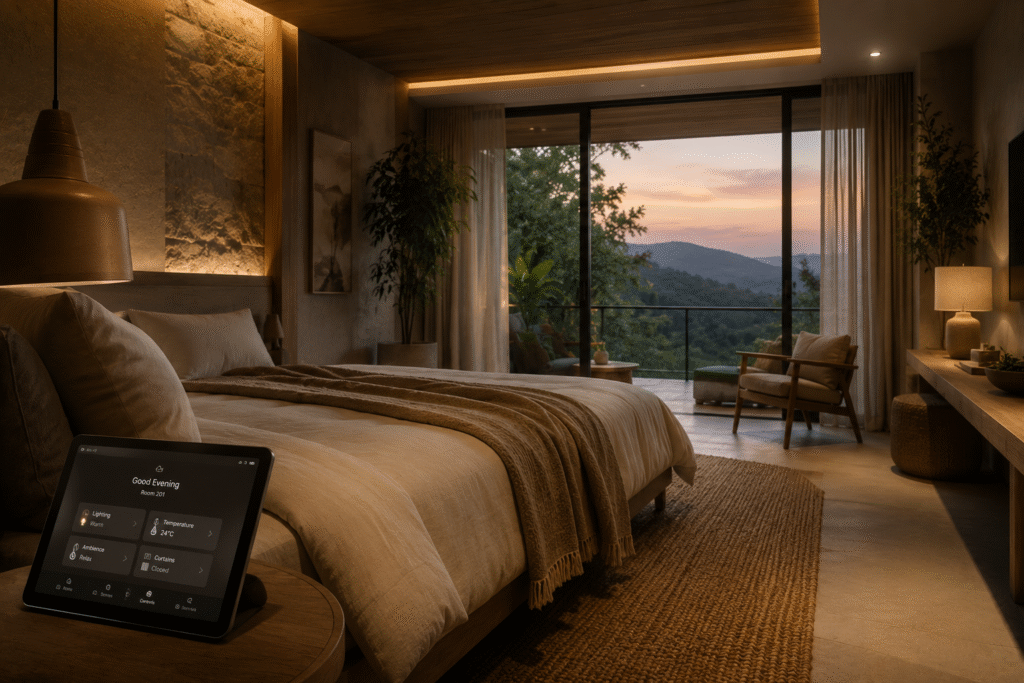
1. Personalized Guest Environments
Smart room systems adjust temperature, lighting, scent, and even soundscapes based on individual preferences, previous stays, or real-time biometric data. The room becomes an extension of the guest’s personal comfort zone.
2. Predictive Operations & Efficiency
AI helps properties anticipate demand, optimize energy use, and streamline back-of-house operations. This reduces waste, lowers costs, and allows staff to focus on meaningful interactions rather than routine tasks.
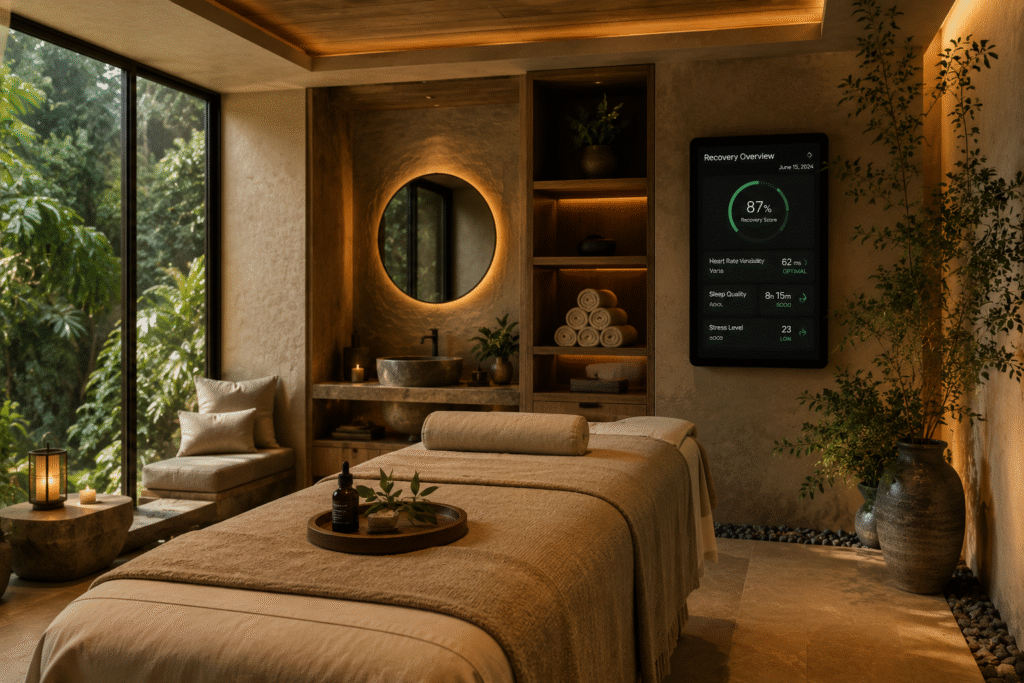
3. Enhanced Wellness Integration
AI-powered sleep tracking, recovery monitoring, and personalized wellness recommendations are becoming standard in high-end resorts. Designers are creating spaces that support these systems without feeling clinical.
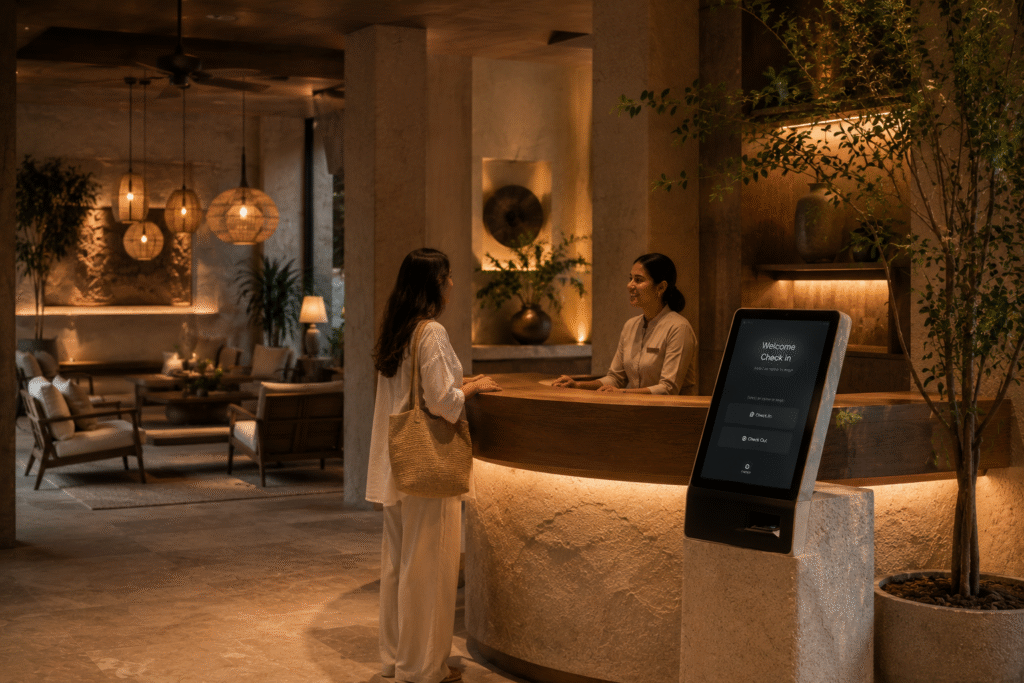
4. Seamless Guest Journey
From contactless check-in and intelligent wayfinding to AI-assisted concierge services, technology is removing friction while still offering the option of warm, human assistance when needed.
5. Data-Informed Design Decisions
Architects and designers are using occupancy data, guest feedback patterns, and usage analytics to refine layouts, material choices, and spatial flow in future projects.
Read Also: Smart Guide to Private Villa Ownership in Wellness Resorts 2026: Best Investment & Lifestyle Choice
The Critical Balance: Technology vs Human Connection
The biggest risk with AI in hospitality is over-automation. Guests still crave authenticity, warmth, and the feeling of being genuinely cared for. The most successful properties in 2026 treat technology as a supporting actor, not the star. The real challenge of AI in hospitality design 2026 is ensuring technology enhances rather than replaces genuine human connection.

At Xtord Designs, we follow a clear principle: technology should disappear into the background so that human connection can take center stage. We design systems that empower staff rather than replace them, and spaces that feel personal rather than programmed.
As noted by McKinsey, the most successful hospitality brands use technology to amplify human service rather than replace it.
Design Principles for AI-Integrated Hospitality
- Invisible Intelligence — Systems should work quietly without visual or auditory intrusion.
- Guest Control — Technology must always remain optional and easily adjustable.
- Staff Empowerment — AI should free team members to deliver more meaningful service.
- Emotional Resonance — Spaces must still feel warm, tactile, and human.
- Ethical Data Use — Privacy and transparency are non-negotiable.
The Business Case for Thoughtful AI Integration
Properties that balance AI with human-centered design are seeing clear advantages:
- Higher guest satisfaction scores
- Improved operational efficiency
- Stronger personalization that drives loyalty
- Competitive differentiation in a crowded market
Properties that successfully implement AI in hospitality design 2026 are reporting higher guest satisfaction and stronger operational efficiency. When technology enhances rather than replaces the human experience, both guests and owners win.
How Xtord Designs Approaches AI in Hospitality
We collaborate closely with technology partners from the earliest design stages to ensure systems are embedded elegantly into the architecture and interiors. Our focus remains on creating spaces that feel alive, responsive, and deeply human.
The result is hospitality environments where technology works hard behind the scenes so that guests and staff can focus on what truly matters — connection, care, and memorable experiences.
Final Thoughts
AI in hospitality design 2026 is not about creating futuristic hotels filled with gadgets. It is about using intelligent systems to make spaces more responsive, more efficient, and ultimately more human.
The properties that will thrive are those that master this balance — leveraging technology to elevate the guest experience while protecting the warmth and authenticity that define exceptional hospitality. Mastering AI in hospitality design 2026 means using intelligent systems to deepen the human experience.
If you are planning a boutique hospitality or wellness project in 2026 and want to integrate AI thoughtfully, we would love to help you create spaces that feel both smart and soulful.
Frequently Asked Questions
Q1: How is AI being used in hospitality design in 2026?
AI powers personalized room environments, predictive operations, wellness tracking, and seamless guest journeys while remaining largely invisible to guests.
Q2: Will AI replace human staff in hotels?
No. The best applications free staff from routine tasks so they can focus on genuine hospitality and personal connection.
Q3: Do guests prefer high-tech or high-touch experiences?
Most luxury and wellness travelers want both — smart systems that work quietly and warm human service when needed.
Q4: Is AI integration expensive?
Initial costs can be significant, but operational savings, higher guest satisfaction, and stronger loyalty often deliver strong returns.
Q5: How can designers avoid making spaces feel cold or robotic?
By prioritizing invisible technology, natural materials, warm lighting, and designing systems that enhance rather than dominate the experience.
Q6: What role does data privacy play?
It is critical. Guests expect transparency and control over how their data is collected and used.
Q7: Can existing properties add AI features?
Yes. Many successful renovations integrate smart systems into existing architecture without major structural changes.
Q8: When should AI be considered in a new project?
From the earliest concept and master planning stages to ensure seamless and cost-effective integration.