

In cities like Gurgaon and Delhi NCR, architecture is changing. Earlier, people focused mostly on size, budget, and timelines. Today, there is a clear shift. People want spaces that feel personal-not just good-looking, but meaningful.
This is where the idea of boutique architecture comes in.
It may sound like a trend, but honestly, it’s more of a mindset than a category. And once you understand it, the difference between a boutique studio and a large firm becomes very clear.
Read Also: Top 5 Building Design Architects in India
What Is Boutique Architecture?
Boutique architecture is not about the scale of the project. It’s about how the project is handled.
A boutique studio usually works with:
- A smaller team
- Limited number of projects at a time
- Direct involvement of senior designers
The focus is not on quantity. It’s on attention.
For example, a large firm might handle many projects together. But a boutique studio often goes deeper into each one—understanding the client, the site, and the small details that actually shape daily life.
From what I understand, boutique architecture is less about “design delivery” and more about “design thinking.”
Why It Feels More Personal
This is the main difference people notice.
When working with a boutique studio like XTORD Designs, the interaction feels direct. You’re not just speaking to a team-you’re often speaking to the people actually designing your space.
That changes everything.
1. Conversations Are More Real
In large firms, communication often passes through layers:
Client → Manager → Designer → Team
In boutique setups, it’s usually:
Client → Designer
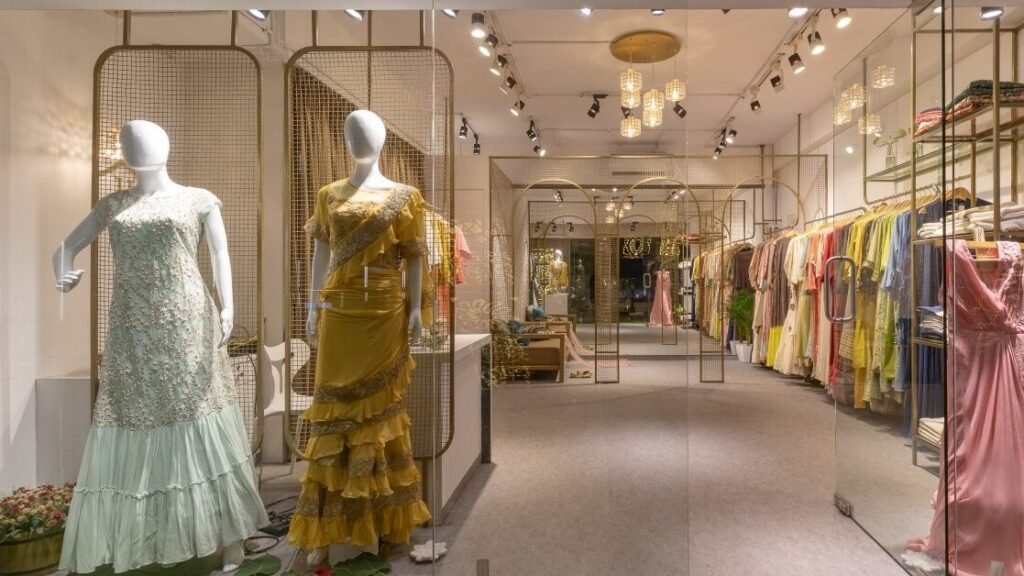
This removes confusion. More importantly, it builds clarity.
2. Design Reflects Your Life, Not a Template
Let’s be honest-many spaces today look similar. Same layouts. Same materials. Same ideas repeated. Boutique architecture tries to avoid that. Instead of starting with “what looks good,” it starts with:
- How you live
- How you move in the space
- What matters to you daily
That’s why the final design often feels familiar, even when it’s new.
3. Small Details Are Taken Seriously
This is something people underestimate. Things like:
- Where sunlight enters
- How rooms connect
- Storage that actually works
- Noise control in busy areas
These are not big design elements, but they affect everyday life.
Boutique studios usually spend more time on these because they’re not rushing through multiple projects.
Boutique vs Large Firms: The Real Difference
This is not about saying one is better than the other. Both have their place.
But the difference is in approach.
| Aspect | Boutique Studio | Large Firm |
| Project Volume | Limited | High |
| Client Interaction | Direct | Structured |
| Design Approach | Personal | Standardized in parts |
| Flexibility | High | Process-driven |
| Attention to Detail | Deep | Distributed across teams |
For someone building a personal home or a unique office, this difference becomes important.
Where Interior Design Fits In
Today, architecture and interiors cannot be separated.
A good interior design company in Gurgaon doesn’t just decorate a finished space-it thinks from the beginning.
Boutique studios usually handle both together:
- Planning the structure
- Designing the interiors
- Ensuring both work as one system
This avoids the common issue where architecture and interiors feel disconnected.
What About Commercial Spaces?
Many people think boutique architecture works only for homes. That’s not true.
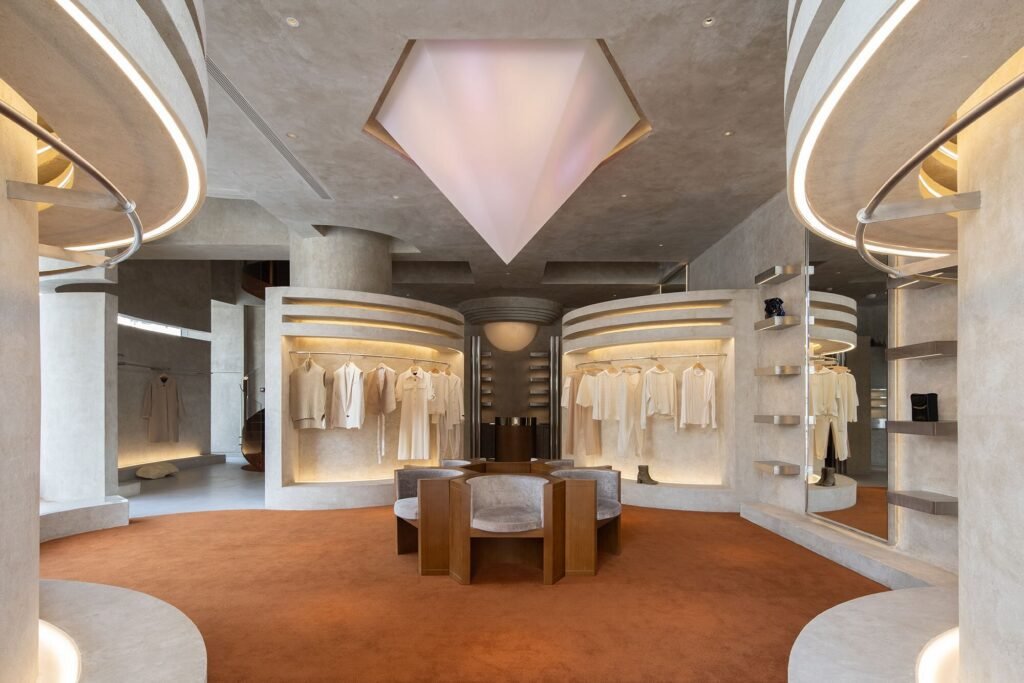
In fact, for offices and commercial spaces, it can make a strong impact.
The best commercial interior designers in Gurgaon focus on:
- How people move in the space
- Work comfort
- Lighting and productivity
- Brand identity
A boutique approach helps here because it avoids copying standard office layouts.
Instead, the space is built around how the business actually functions.
The XTORD Designs Perspective
From what I’ve observed, XTORD Designs follows a consistent approach.
Since 2004, the focus has been on creating spaces that are both functional and personal. Not in a complicated way-but in a way that respects how people actually use their space.
Working across homes, offices, and commercial buildings in Delhi NCR, the idea seems simple:
Design should not just look good. It should fit naturally into everyday life.
That’s what makes a space feel complete.
Conclusion
Boutique architecture is personal because it focuses on people before plans.
It values:
- Direct conversations
- Real-life habits
- Small details that matter daily
Large firms bring efficiency and scale. Boutique studios bring depth and attention.
In the end, it depends on what you are looking for.
If the goal is just to complete a project, any system works.
But if the goal is to create a space that actually feels like yours, the approach matters more than the size of the firm.
FAQs
1. What does boutique architecture mean in simple terms?
It means a more personal and detail-focused approach to design, usually handled by a smaller team with direct client interaction.
2. Is boutique architecture only for luxury homes?
No. It can be used for homes, offices, and commercial spaces. It depends more on approach than budget.
3. How is it different from a large architecture firm?
Boutique studios handle fewer projects and offer more direct involvement, while large firms follow structured processes with bigger teams.
4. Can boutique studios handle commercial interior design?
Yes. Many boutique studios are among the best commercial interior designers in Gurgaon because they focus on functionality and user experience.
5. Why do people prefer boutique architecture today?
Because it creates spaces that feel personal, practical, and suited to real life instead of following standard designs.