

Boutique Hospitality Project Costs 2026″ is one of the most common questions we receive from developers and investors. It’s a valid question. The hospitality industry has evolved significantly, and what used to be a straightforward calculation is now far more nuanced.
Having worked on numerous low-density wellness retreats and boutique hospitality projects, we’ve learned that costs depend heavily on location, level of ambition, and how thoughtfully the project is planned from the start.
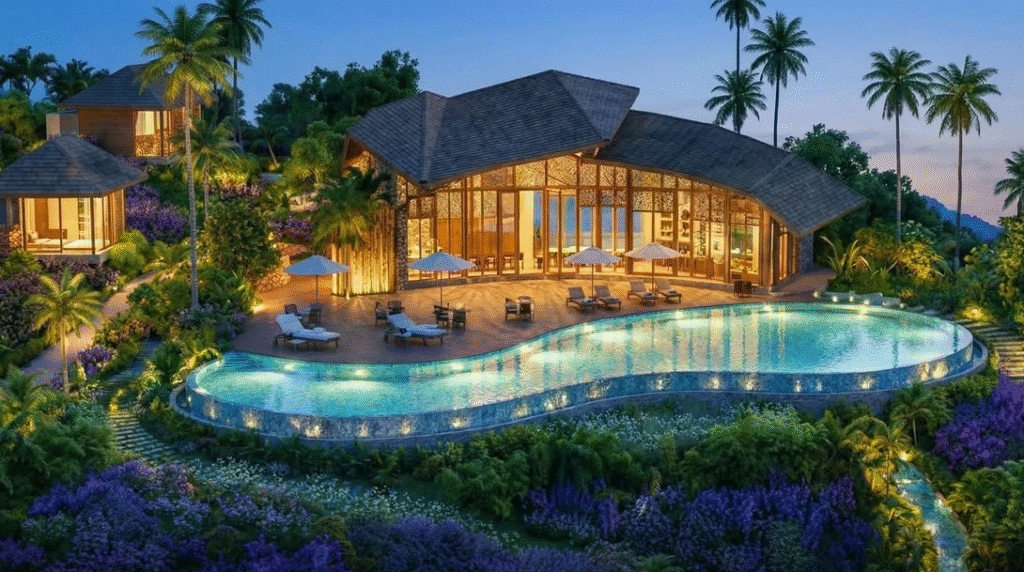
Here’s a practical breakdown of boutique hospitality project costs in 2026, based on real projects we’ve been involved in.
Key Cost Drivers in Boutique Hospitality Project Costs 2026
- Land & Site Preparation: This remains one of the biggest variables. Flat land is easier and cheaper, but the most desirable boutique projects are often on hillsides or sensitive natural sites. These require geotechnical studies, retaining walls, elevated structures, and careful grading. Expect this to consume 20–30% of the total budget depending on the topography.
- Wellness & Regenerative Features: Guests in 2026 expect more than just luxury — they want environments that actively support their well-being. This includes advanced air and water filtration, circadian lighting, biophilic design, high-performance insulation, and integrated wellness architecture. These elements typically add 15–25% to base construction costs but enable higher room rates and stronger guest loyalty.
- Construction & Materials: Premium sustainable and locally sourced materials cost more upfront than standard options. However, they reduce long-term maintenance and strongly appeal to conscious luxury travelers. Skilled labor costs have also risen significantly.
- Technology Integration: Smart room systems, guest personalization platforms, energy management AI, and operational tools are now essential. When implemented well, they improve efficiency and guest satisfaction enough to justify the investment.
- Soft Costs: Don’t underestimate design fees, regulatory approvals, environmental clearances, wellness programming, branding, and pre-launch marketing. In boutique projects, soft costs typically range between 12–18% of the total project value.
For the latest industry benchmarks, see this [Hospitality Net] report on wellness construction trends.
Read Also: Biophilic Design Explained: Bringing Nature Into Residential Spaces
Typical boutique hospitality project costs for 2026 per villa are:
- Entry-level boutique: ₹1.5 – 2.5 Crore
- Mid-tier wellness-focused: ₹2.5 – 4 Crore
- Ultra-premium low-density: ₹4 – 7+ Crore (includes private villas, regenerative infrastructure, and high-end wellness features)
These figures are indicative and can vary significantly based on location, scale, and level of customization.
How to Optimise Boutique Hospitality Project Costs?
Developers who achieve the best outcomes follow these proven principles:
- Phase development intelligently — Build core guest-facing wellness elements first and add secondary facilities in later phases.
- Prioritize high-impact areas — Focus budget on what guests experience most: bedrooms, bathrooms, views, and common wellness spaces.
- Choose low-maintenance materials — They cost more initially but deliver major savings over time.
- Practice smart value engineering — Work with design teams who know how to deliver a luxury feel without unnecessary expense.
- Enable early collaboration — Involve architects, wellness consultants, and contractors from the concept stage to avoid costly changes later.
ROI Considerations for 2026
Wellness-oriented boutique hospitality projects often deliver excellent long-term returns. They command premium rates, achieve higher occupancy, and build stronger guest loyalty. Innovative models — such as revenue-generating resort cottages — can also help offset Common Area Maintenance (CAM) costs.
In our experience, projects that feel authentic and consistently deliver well-being consistently outperform generic luxury developments in both guest satisfaction and financial performance.
Similar projects have shown strong performance according to insights from STR Global hospitality data.
Final Advice for Boutique Hospitality Project Costs in 2026
Realistic budgeting for boutique hospitality project costs in 2026 means rising labour costs, premium sustainable materials, and elevated wellness expectations. The strongest returns come from projects that feel genuine and create memorable experiences.
As highlighted in recent Forbes articles on sustainable luxury development, early planning is key.
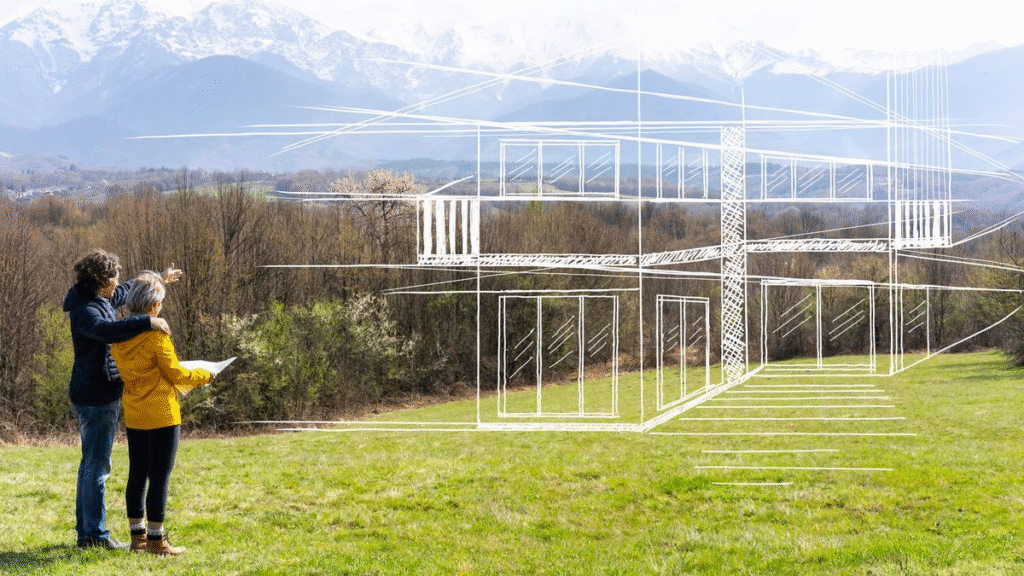
If you’re evaluating costs, planning a boutique hospitality project, or need help balancing ambition with financial prudence, feel free to reach out. At Xtord Designs, we specialise in delivering wellness-first spaces that are both aspirational and commercially viable.
Frequently Asked Questions
Q1: What is the highest cost in boutique hospitality projects in 2026?
Site-specific engineering and wellness/regenerative features are usually the largest cost drivers.
Q2: How can developers reduce project costs without compromising quality?
Use phased development, prioritize guest-facing wellness elements, select smart materials, and collaborate early with experienced design and construction teams.
Q3: Are multigenerational retreats more expensive to design?
Absolutely. Wellness-integrated design drives premium pricing, higher occupancy, and stronger guest loyalty.
Q4: What percentage of the budget typically goes to soft costs?
Soft costs usually account for 12–18% of the total project value.
Q5: How do self-sustaining models help?
They can significantly reduce or eliminate CAM costs for villa owners.
Q6: Is low-density development more expensive per key?
Yes, initially. However, it allows for higher pricing and stronger market differentiation.
Q7: What should developers budget extra for in 2026?
Rising labor costs, sustainable materials, advanced wellness technology, and stricter environmental regulations.
Q8: How early should one engage a design firm like Xtord Designs?
As early as the land acquisition or concept stage. Early involvement helps avoid expensive redesigns and delivers better results.