

I’ve designed numerous wellness retreats over the years, and one trend that continues to gain momentum in 2026 is the rising demand for multigenerational travel. Families now want to vacation together — grandparents, parents, teenagers, and young children — all under one beautiful, restorative roof.
The challenge? Each generation has very different needs. Grandparents seek peace and gentle movement, parents need balance and recovery, teens crave independence, and kids want space to play and explore. The key is creating a cohesive retreat that feels harmonious while genuinely supporting everyone.
Here’s what I’ve learned about multigenerational wellness retreat design 2026 — practical insights that actually work.
Why Multigenerational Wellness Retreats Are Booming in 2026
Post-pandemic, families are prioritising quality time more than ever. Wellness has become a shared family value rather than just an escape for stressed parents. A well-designed multigenerational wellness retreat allows everyone to recharge in their own way while building meaningful shared memories.
Read Also: Biophilic Design Explained: Bringing Nature Into Residential Spaces
The secret lies in balance: privacy versus togetherness, high-energy versus restorative activities, and flexible spaces that adapt to different ages and energy levels.
1. Flexible Layouts That Support All Ages
Great multigenerational wellness retreat design starts with the master plan. Instead of identical villas, create clusters of connected yet independent units:
- A main villa for parents and grandparents with excellent accessibility features.
- Adjacent junior suites or smaller villas for teens and young adults, each with their own entrance and private sitting area.
- Shared outdoor courtyards that feel intimate but allow easy family gatherings.
Inside the villas, design adaptable living zones — large open areas with movable furniture, quiet reading nooks, and private bedrooms with en-suite bathrooms. This way, grandparents can rest peacefully while kids play nearby without disturbance.
2. Activity Levels & Inclusive Wellness Features
Wellness should never feel one-size-fits-all. Offer a spectrum of experiences tailored to different generations:
For Grandparents (Restorative Focus):
- Chair-based yoga and gentle movement sessions
- Quiet garden nooks with comfortable seating
- Mobility-friendly spa treatments
- Shaded walking paths with frequent resting benches
For Parents (Balanced Wellness):
- Morning breathwork and meditation
- Couples treatments
- Fitness areas offering both strength training and recovery options
For Kids & Teens (Fun + Learning):
- Nature play zones with educational elements
- Light adventure activities like forest trails or cycling
- Creative wellness workshops (art, sound healing, gardening)
Shared Family Experiences:
- Evening fireside storytelling sessions
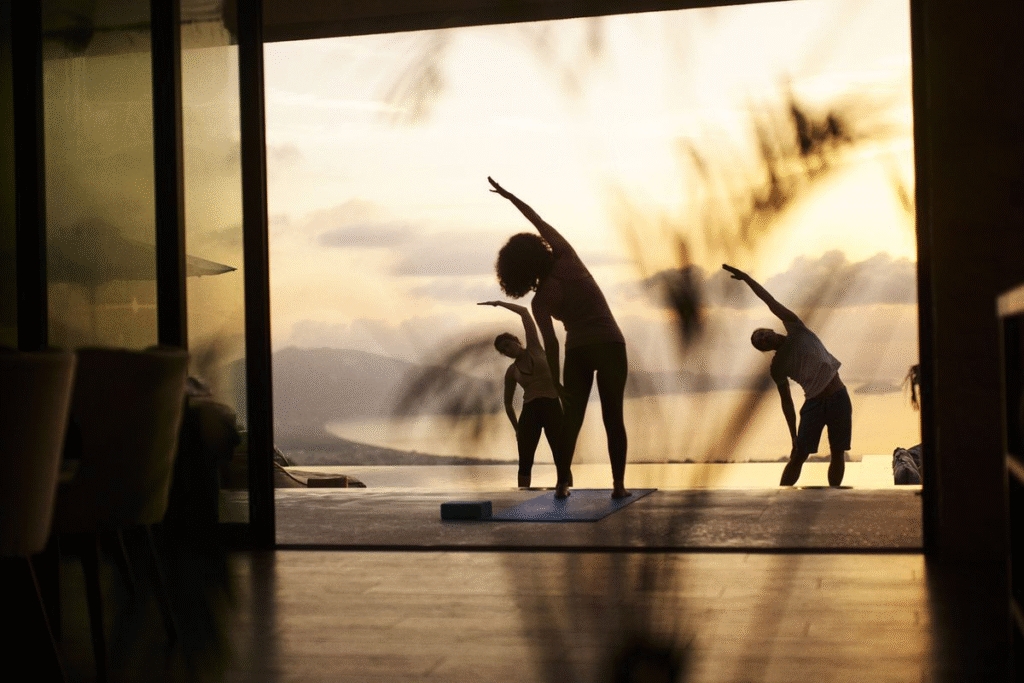
- Family yoga on private villa decks
- Garden-to-table cooking classes
3. Striking the Perfect Balance: Privacy vs Togetherness
This is often the hardest part of multigenerational wellness retreat design. My approach is “thoughtful separation”:
- Generously spaced villas for true privacy
- Landscaped pathways and shared communal hubs (clubhouse, dining pavilion, amphitheater) that connect everyone naturally
- Multiple “third spaces” — lounges, libraries, and outdoor terraces — where families can gather or split up effortlessly
A central wellness pavilion with both group areas and branching private treatment rooms works beautifully.
4. Inclusive Design Details That Make a Difference
- Universal Spa Design: Height-adjustable treatment tables, gentle-entry pools, and staff trained in multigenerational care.
- Accessibility: Elegant zero-threshold entries, grab bars, and ramps that blend seamlessly into the design.
- Sensory Considerations: Adjustable lighting, excellent noise control, and scent-free zones.
- Age-Appropriate Amenities: Kid-friendly yoga mats, teen spaces with a wellness twist, and grandparent-friendly high beds with easy access.
5. Outdoor Spaces That Bring Generations Together
Nature is the ultimate unifier. Thoughtful outdoor design includes:
- A central lawn for family games
- Separate (but nearby) kids’ nature play areas
- Private villa decks for family yoga or morning tea
- A multigenerational garden where grandparents can teach kids how to grow herbs
Final Thoughts from a Designer’s Perspective
The most successful multigenerational wellness retreats aren’t just beautiful — they’re intelligently engineered to reduce friction and multiply joy. When grandparents feel cared for, parents feel relaxed, and kids feel engaged, the whole family leaves closer and more restored.
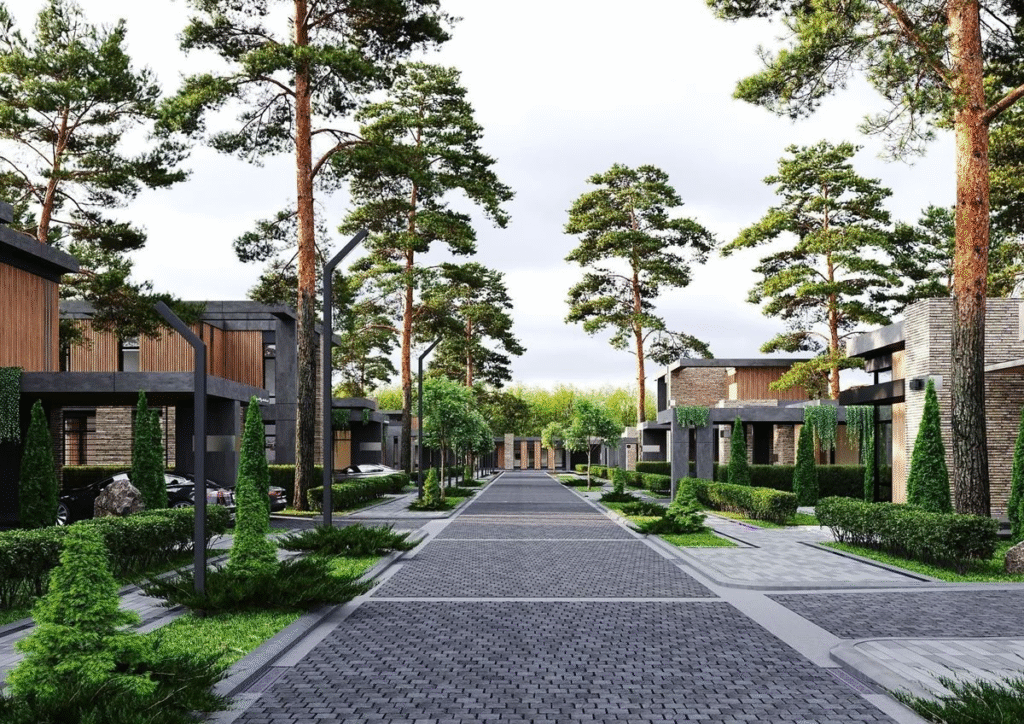
At Xtord Designs, we specialize in creating low-density, wellness-first retreats that beautifully support multiple generations while preserving privacy and connection.
If you’re planning a multigenerational wellness retreat or boutique hospitality project in 2026, we’d love to help you design something truly special.
Frequently Asked Questions
Q1: What makes a wellness retreat truly multigenerational?
It offers varied activity levels, flexible spaces, and inclusive design features that genuinely cater to grandparents, parents, teens, and young children at the same time.
Q2: How do you balance privacy and togetherness in multigenerational retreats?
Through thoughtful separation — generously spaced villas connected by pathways and shared communal areas that allow families to gather or retreat as needed.
Q3: Are multigenerational retreats more expensive to design?
They can involve higher initial investment due to flexibility and accessibility features, but they often deliver higher occupancy and guest satisfaction, resulting in better long-term returns.
Q4: What wellness activities work best across generations?
Gentle seated practices for grandparents, balanced fitness for parents, adventure and creative workshops for kids/teens, plus shared experiences like garden-to-table cooking.
Q5: How important is accessibility in multigenerational wellness retreat design?
Extremely important. Elegant universal design ensures everyone can participate comfortably without feeling singled out.
Q6: Can teenagers actually enjoy wellness retreats?
Yes — especially when you include age-appropriate activities like sound healing, light adventure, creative sessions, and spaces that give them some independence.
Q7: What is the biggest mistake in multigenerational retreat design?
Assuming one activity or layout will suit everyone. The best designs offer choice and flexibility instead of forcing group participation.
Q8: When should wellness and accessibility be considered in the design process?
From day one. Integrating these elements early saves costs and creates more authentic, seamless spaces.