

More design in the contemporary house each year, however the style can still quickly become a mental drain. Glass walls, artificial light, sparkling surfaces and sealed off rooms may have made one look beautiful at first but as the seasons change they can feel quite the opposite.
One of the reasons biophilic design is becoming an integral aspect of home construction in 2026 is:
People now prefer dwellings that help them relax, breathe freely and emotionally comfort themselves. They prefer to live in places that help to unwind their minds rather than adding to the existing stress. This trend is leading residential architects and every competent interior designing firm in Gurgaon to design more and more nature-bound dwellings.
Biophilic design isn’t just sticking a dozen live plants indoors and thinking you’ve got a natural space. It is a powerful, systematic approach to architecture that reconnects humanity with nature via the way we shape buildings, light, materials, air and circulation.
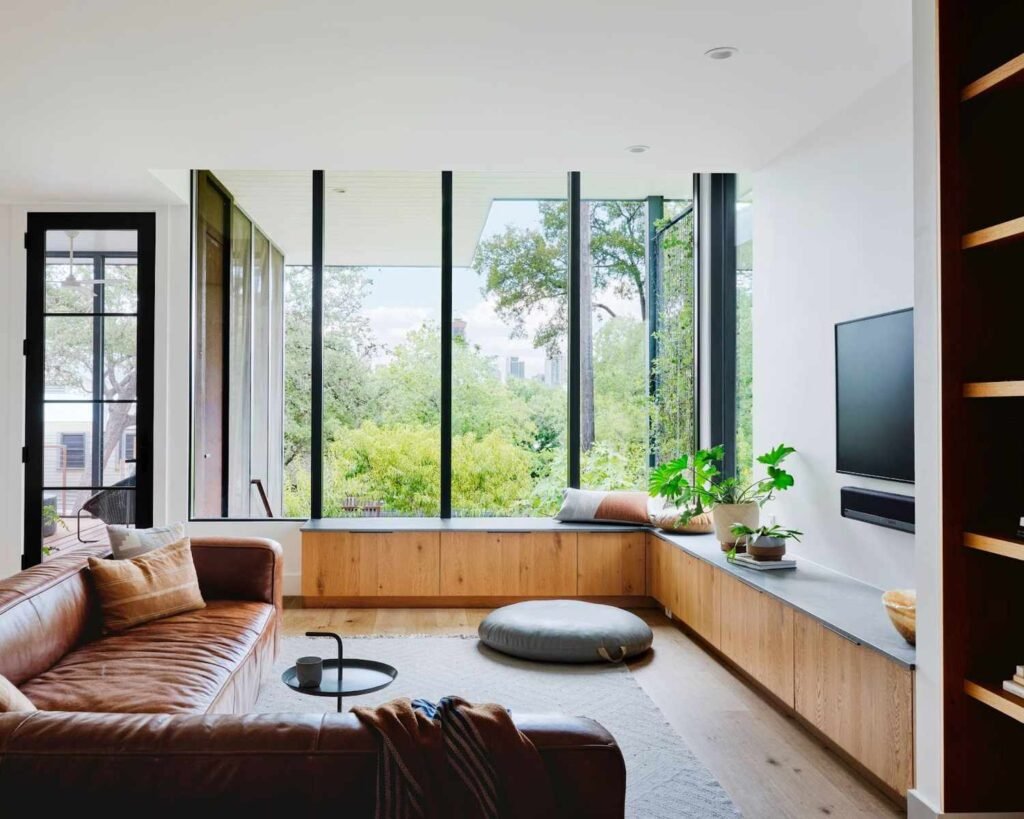
This transition is very evident in a number of home projects carried out by XTORD Designs-a full service architecture and interior design studio based in Delhi NCR since 2004. People are now more cognizant of the impact a certain environment has on mental state, ability to work and sleep, and general quality of life.
People simply do not desire the traditional modern stock housing anymore.
They want vibrant homes.
What Is Biophilic Design?
Biophilic design is the idea of shaping homes to strengthen the bond between people and the natural world.
The word biophilia means a human drawn to living nature and natural places.
In housing design, this idea appears through:
- Natural light
- Ventilation
- Greenery
- Natural materials
- Open plans
- Water features
- Organic textures
Views and links to the outdoors
The aim is not mere decoration.
The aim is to form healthier and calmer living areas where people feel mentally rested and physically at ease.
Good residential architects know humans respond well to sunlight, plants, fresh air, and natural textures. That is why biophilic design is becoming more relevant in India’s urban homes.
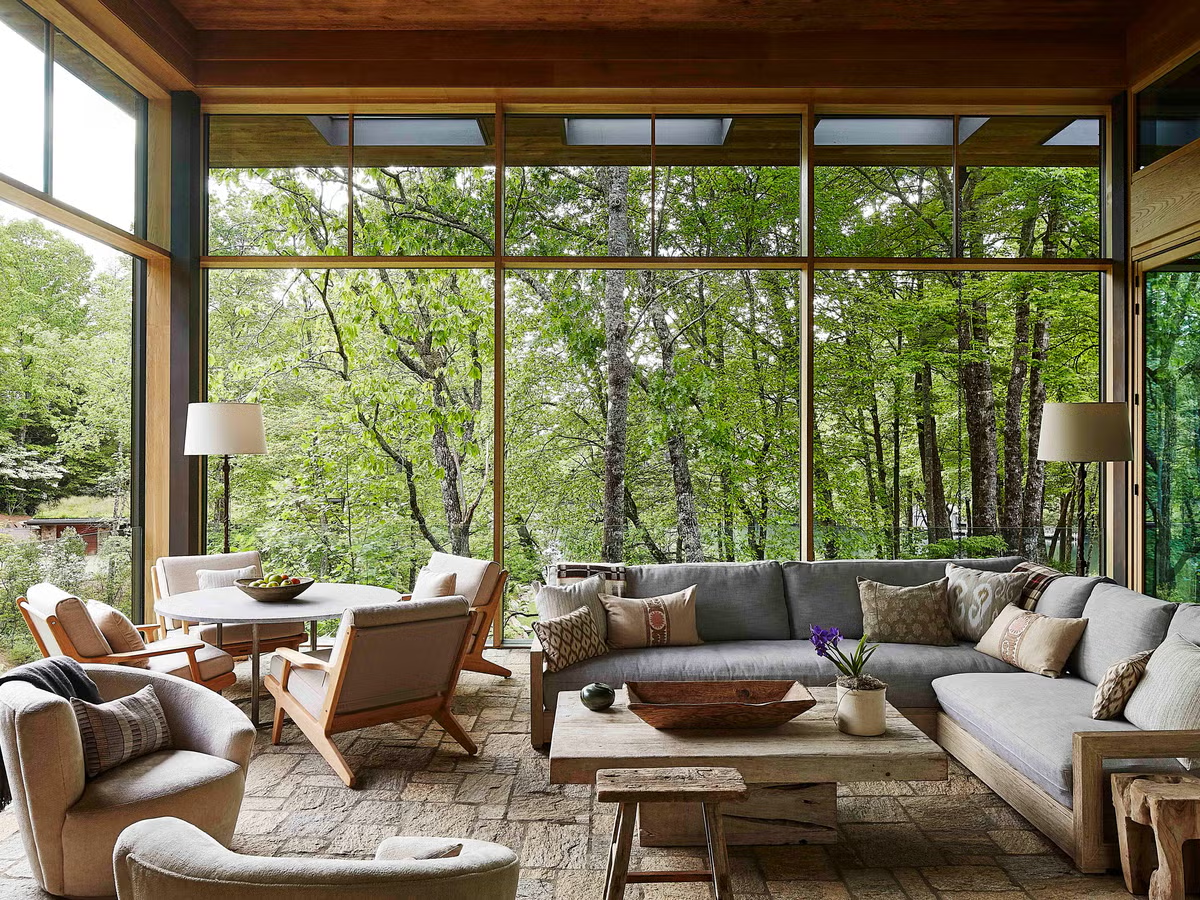
Why Biophilic Design Is Growing in Indian Homes
Indian cities are getting denser, louder, and more stressful. Many families live in flats surrounded by traffic, concrete, and very little open space.
Because of this, homeowners now feel a stronger need to bring nature back inside their homes.
Another reason is lifestyle change.
People spend more time indoors these days because of:
- Work from home routines
- Digital habits
- Urban crowding
- Long work hours
This has raised awareness about how indoor places shape emotional well being.
Many homeowners now say they feel drained in rooms with poor air flow, harsh lights, and synthetic surfaces.
This is why biophilic design is no longer just a fad.
It is a response to modern urban life.
Natural Light Is the Heart of Biophilic Design
One of the most vital parts of biophilic design is natural light.
Sadly, many modern homes still focus more on external appearance than on sunlight access. Large decorative forms often block air and daylight.
But homes with good daylight usually feel:
- RoomierHappierMore comfortable
- More energy wiseSeasoned residential architects study carefully:
- Window placement
- Path of the sun
- Skylight location
- Room orientation
A well lit home cuts the need for artificial lights and creates a healthier indoor world.
At XTORD Designs, planning often starts by tracking how daylight moves through the house at different times. This improves both comfort and use.
Ventilation Matters More Than Expensive Interiors
Many homeowners spend a lot on finishes but ignore air flow planning.
This makes homes that look plush but feel uncomfortable after a few hours.
Good ventilation is one of the strongest parts of biophilic residential design.
Cross ventilation helps:
- Lower indoor heat
- Improve air quality
- Remove dampnessBring natural freshness
- In India’s climate, air flow is not a luxury.
- It is essential.
That is why many residential architects are reintroducing traditional Indian ideas like:
- Courtyards
- Jaali screens
- Semi open areas
- Verandahs
These ideas worked well long before air conditioning was common.
Indoor Plants Alone Are Not Biophilic Design
A common false idea is that biophilic design only means adding plants inside.
Plants help, but true biophilic design goes much deeper.
It means shaping the whole experience of a space.
For example:
- Can you see green from sitting spots?
- Does fresh air move through rooms naturally?
- Are materials visually soothing?
- Does the space change during the day?
- Is there a link between inside and outside spaces?
Many homes add decorative plants but still feel stressful because the architecture itself is cut off from nature.
- Good design is not about adding nature later.
- It is about designing with nature from the start.
- Natural Materials Create Emotional Warmth
- Materials play a key role in biophilic interiors.
In 2026, homeowners are slowly moving away from overly glossy surfaces and fake textures. They prefer materials that feel warm and rooted.
Popular choices include:
- Wood finishes
- Natural stone
- Clay textures
- Lime plaster
- Bamboo accents
- Earthy colour tones
These materials make spaces feel softer and more emotionally steady.
An experienced interior design company in Gurgaon knows that material choice affects not just look but comfort, upkeep, and long use.
Natural materials also age in a more pleasant way compared to trend driven finishes.
Small Homes Can Also Follow Biophilic Design
Many assume biophilic design works only in villas or large homes.
That is not true.
Even small flats can include nature linked ideas through:
- Better window planning
- Indoor plants
- Natural textures
- Balcony gardens
- Open plans
- Daylight tuning
Good residential architects know how to create a sense of openness even in tight spaces.
In fact, small homes can gain more from biophilic planning because daylight and airflow make compact areas feel bigger and calmer.
Mental Health and Architecture Are Connected
An important discussion worldwide is how architecture links to mental health.
People are starting to see that spaces influence:
- Stress
- Mood
- Focus
- Sleep quality
- Emotional comfort
Dark, poorly ventilated homes often increase tiredness and unease over time. On the other hand, homes with plants, daylight, air flow, and calm materials usually feel emotionally healthier. This is why biophilic design is growing in importance, not just for looks but for better living
Why Biophilic Design Will Continue Growing
Biophilic design is not a temporary trend.
It reflects a deeper shift in how people want to live.
Homeowners today are becoming more aware of:
- Environmental stress
- Urban lifestyle pressure
- Digital overload
- Lack of open spaces
Because of this, people are searching for homes that feel quieter, healthier, and more connected to nature to grow in cities like Gurgaon and Delhi/NCR, where urban density continues to increase. This demand will continue to grow in cities like Gurgaon and Delhi/NCR, where urban density continues to increase. For every serious interior design company in Gurgaon, biophilic thinking is slowly becoming part of responsible residential planning.
Final Thoughts
The biophilic design is transforming the way in which the home is going to be built in India. Encouraging individuals to design a space that is not ‘just for show’ but one that creates comfort, tranquility and promotes beneficial lifestyles. The most powerful homes in 2026 do not (implying: has nothing to do with the) mean the most costly homes. Now, these places are like homes – seeing, breathable, and emotionally reassuring.
At XTORD Designs, years of residential architecture experience across Delhi/NCR have shown one important truth:
Most people look at the outside of a home first but stay in it because of the feeling they get inhabiting the space. Hence, the significance of careful design is.
FAQs
1. What is biophilic design in residential architecture?
Biophilic design draws references from the natural environment by integrating the use of: day lighting, natural ventilation, extensive greenery, natural resources, spacious arrangements in order to create a healthy environment.
2. Why is biophilic design becoming popular in India?
Pressure from urban life, pollution, reduction in home sizes and modern lifestyles are producing urges among homeowners to have a home which is soothing, good for health and close to the natural environment.
3. Can small apartments use biophilic design principles?
Yes. Small houses can also feature biophilic designs such as the utilization of natural light, balcony gardens, consideration of ventilation, presence of indoor plants and natural surfaces.
4. How do residential architects use biophilic design?
To create locations in perfect harmony with nature, residential architects employ space planning, daylight orientation, air ventilation systems, materials, and indoor-outdoor harmony.
5. Why are natural materials important in biophilic interiors?
Materials that have natural origins such as wood, stone and clay provide warmth, visual relief, enhance comfort and create a sense of well-being in homes.