

Regenerative Hospitality Design 2026 marks a significant shift in how developers approach hospitality projects. Over the past few years, I’ve noticed a meaningful shift in how developers and investors talk about their hospitality projects. A few years ago, the conversation was mostly about sustainability — reducing plastic, improving efficiency, and minimising harm.
In 2026, the bar has been raised. People no longer want to simply be “less bad.” They want to be regenerative. They want their projects to actively improve the land, support local communities, and leave the place better than they found it.
This is the essence of regenerative hospitality design 2026 — and it’s one of the most exciting shifts happening in the industry right now.
What Is Regenerative Hospitality Design?
Sustainable design focuses on minimizing negative impact through renewable energy, water conservation, and eco-friendly materials. While important, it only goes so far.
Regenerative hospitality design goes much further. It asks: How can this project give back more than it takes? It aims to restore ecosystems, strengthen local economies, improve biodiversity, and create positive cycles that benefit both guests and the environment.
According to recent insights from the Global Wellness Institute, regenerative practices are becoming a major trend in hospitality for 2026.
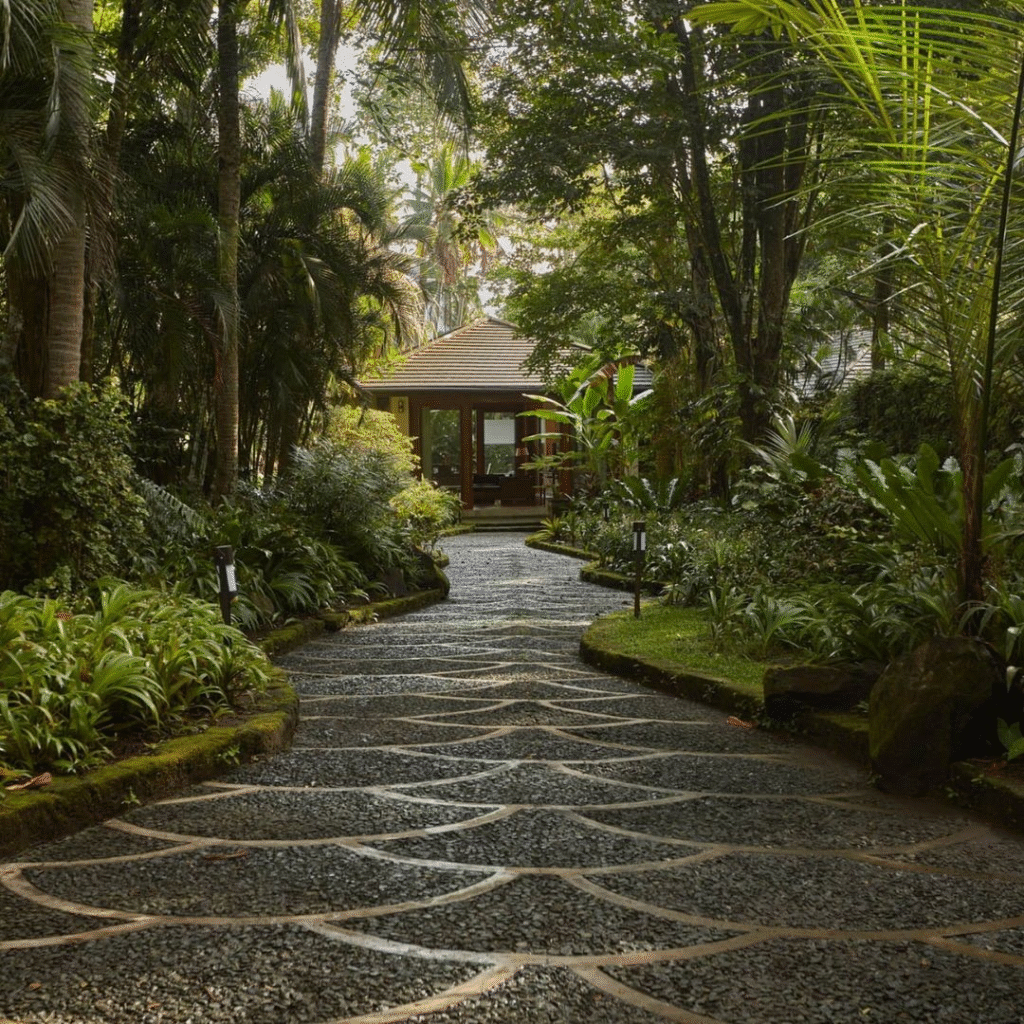
In hospitality, this means designing properties that heal the land, honor local cultures, and help guests reconnect deeply with nature.
Read Also: Materials in Hospitality Design 2026: What’s New and What Works
Key Elements of Regenerative Hospitality Design 2026
1. Native Landscaping & Biodiversity Restoration
Instead of importing exotic plants, we prioritize native species that support local wildlife. In one recent project, we restored over 60% of the site with indigenous trees and grasses. Guests now wake up to birdsong, and the local ecosystem grows stronger every year.
2. Carbon-Positive Operations
Many leading projects are moving beyond carbon neutrality to become carbon positive. This includes large-scale tree planting, soil regeneration techniques, and on-site energy systems that generate surplus clean power — sometimes even selling excess solar energy back to the grid or local community.
3. Deep Community Integration
Regenerative design starts with involving local communities from day one. We collaborate with regional artisans for custom installations, source materials from nearby suppliers, and create training programs that provide long-term economic benefits.
This approach aligns with findings from Hospitality Net on community-driven regenerative tourism.
4. Integrated Food Systems
Vertical farms, kitchen gardens, and regenerative agriculture are becoming standard. Guests can participate in harvesting sessions and farm-to-table experiences using produce grown on-site, creating a deeper connection with their food.
5. Impactful Guest Experiences
Modern travelers want to contribute meaningfully. Popular activities include tree-planting ceremonies, guided ecological restoration walks, and workshops with local conservationists — turning a luxury stay into a purposeful one.
Why Developers Should Adopt Regenerative Hospitality Design Now
Beyond doing good, regenerative design makes strong business sense. It helps projects stand out in a competitive market, builds deeper guest loyalty, supports premium pricing, and attracts purpose-driven investors.
In 2026, high-end travelers are actively seeking properties that demonstrate genuine environmental and social commitment. From a designer’s perspective, regenerative hospitality isn’t about adding features later — it begins at the concept stage by understanding the site’s ecology, listening to local voices, and creating systems that generate positive impact.
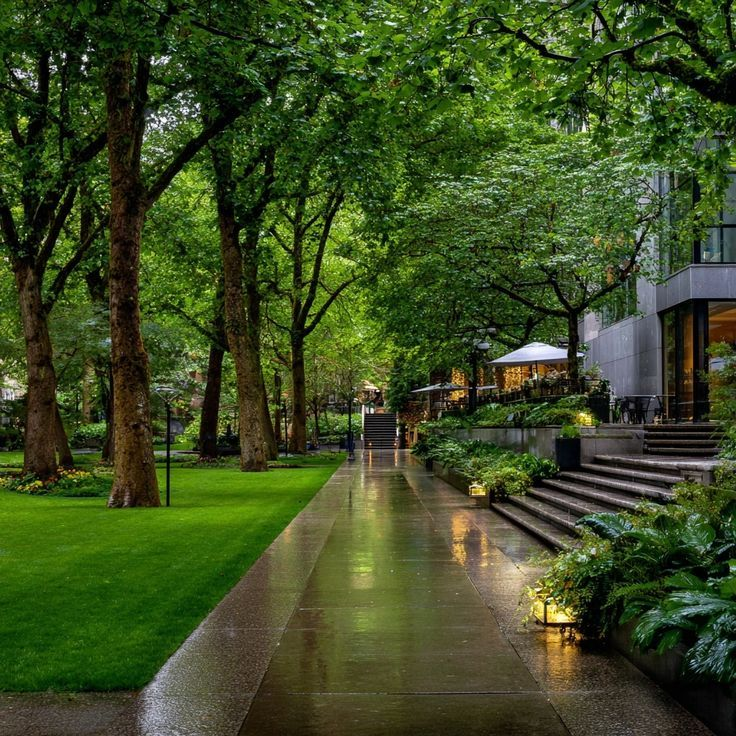
The best projects don’t feel imposed on the landscape — they feel like a natural, harmonious part of it.
At Xtord Designs, we specialize in creating low-density, regenerative hospitality design for wellness retreats that go far beyond sustainability. We help developers build properties that restore ecosystems, empower communities, and deliver transformative experiences for guests.
If you’re planning a boutique hospitality or wellness project in 2026 and want to move from sustainable to truly regenerative, we’d love to work with you.
As highlighted in Forbes articles on regenerative travel, properties that give back are seeing stronger guest loyalty and better financial performance.
Frequently Asked Questions
Q1: What is the main difference between regenerative and sustainable hospitality design?
Sustainable design minimizes harm, while regenerative design actively restores ecosystems, supports biodiversity, and creates positive impact for the local community and environment.
Q2: Is regenerative design more expensive?
It can involve higher upfront costs, but it often delivers better long-term returns through guest loyalty, premium pricing, and stronger asset value.
Q3: Can regenerative practices work in low-density wellness projects?
Yes. Low-density projects are ideal because they have land per guest to implement native landscaping, food systems and ecological restoration.
Q4: How do guests respond to features?
Very positively. Many guests now seek out properties with genuine environmental commitment and love participating in experiential programs like tree planting or farm activities.
Q5: What are some practical regenerative elements for a resort?
Native landscaping, vertical farms or kitchen gardens, rainwater harvesting, carbon-positive energy systems and partnerships with local artisans and conservation groups.
Q6: How early should regenerative design be considered?
From the very beginning. Ideally during site selection and master planning. Early integration is more effective and cost-efficient than adding features later.
Q7: Does regenerative design affect project approvals?
Often local authorities and environmental bodies tend to support projects that demonstrate clear ecological and community benefits.
Q8: Can regenerative hospitality still feel luxurious?
Absolutely. The regenerative designs combine natural materials and thoughtful details to create elevated calming luxury that feels authentic rather than artificial.