

Materials in Hospitality Design 2026 have become one of the most important aspects of creating exceptional luxury wellness retreats and boutique hospitality projects. What started as an occasional consideration has now become central to every thoughtful design process. A few years ago, sustainable materials were often added as an afterthought — something to mention in marketing brochures. In materials in hospitality design 2026, sustainability is no longer optional and has evolved into a defining element that separates truly exceptional projects from the rest.
Clients and guests no longer settle for spaces that merely look beautiful. They seek environments that feel honest, responsible, and deeply aligned with their personal values. They want materials that tell a story, support well-being, and respect the planet. Here’s a detailed look at the materials and approaches that are delivering outstanding results in materials in hospitality design 2026.
1. Reclaimed Timber & Responsibly Sourced Wood
Reclaimed timber continues to be one of the most loved choices in high-end hospitality. Its natural patina, rich history, and unique character give spaces an unmatched warmth and authenticity that new wood struggles to replicate. Although the initial cost is higher, reclaimed timber offers exceptional longevity and requires very little maintenance over decades.
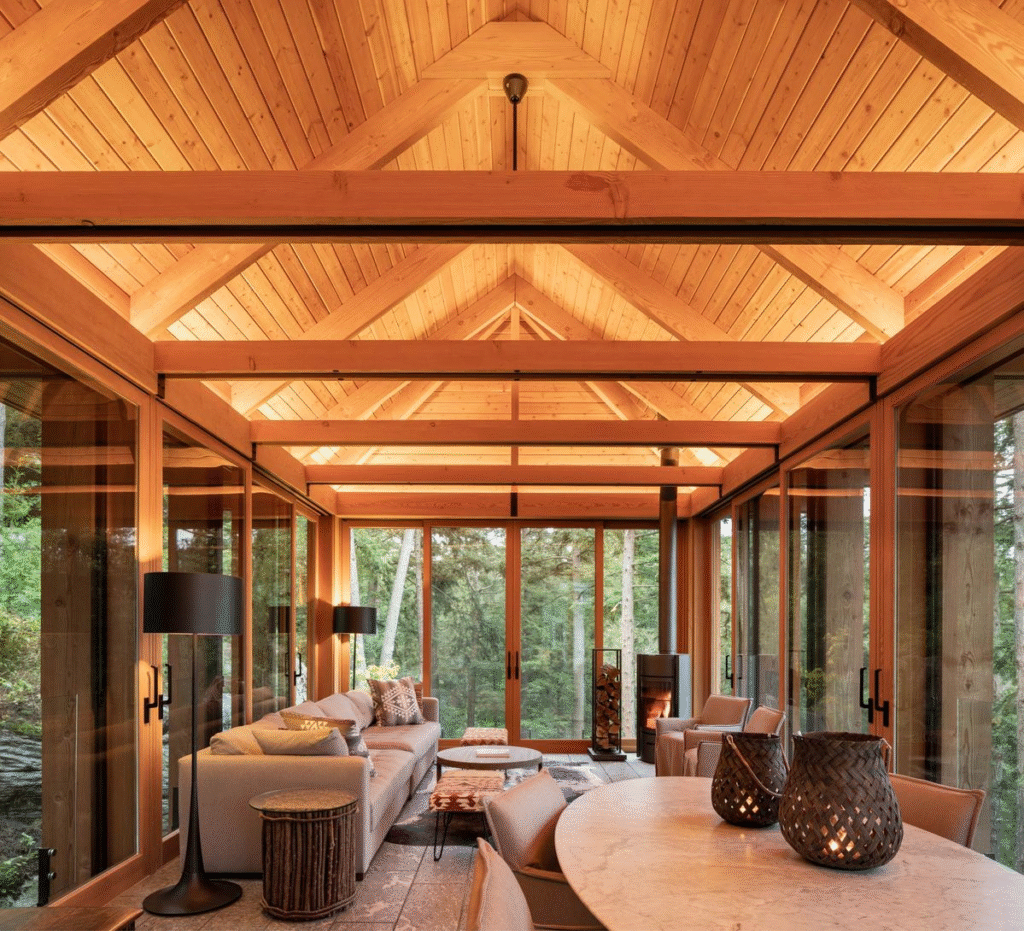
We regularly specify reclaimed timber for feature walls, dramatic ceiling beams, custom furniture, and statement flooring in both private villas and public areas. In one memorable project, we sourced reclaimed teak from old ships in Gujarat for the main clubhouse ceiling. The rich texture and subtle maritime history made it the most photographed element of the entire resort.
Read Also: What Are Boutique Hospitality Services in 2026? A Designer’s Honest Guide
2. Bamboo — The Rising Luxury Super Material
Bamboo has firmly moved beyond its “eco-friendly” label to become a premium material in its own right. Thanks to advanced engineering techniques, it is now used confidently for flooring, structural elements, wall cladding, and bespoke furniture in luxury settings. It is often more cost-competitive than hardwood while being carbon-negative and incredibly fast-growing — ready for harvest in just 3–5 years.
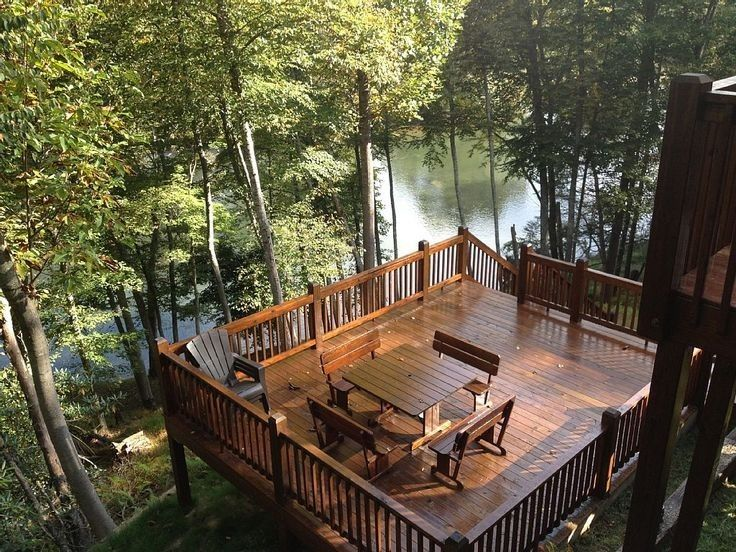
In our projects, bamboo shines in minimalist wellness interiors, outdoor decking, and custom lighting fixtures. Its versatility allows it to pair elegantly with stone, concrete, and metal, creating calm, contemporary spaces that feel both grounded and sophisticated.
3. Natural Stone — Timeless and Locally Sourced
Locally quarried natural stone is experiencing a strong revival. When sourced from nearby regions, it dramatically reduces transportation emissions while giving each project a distinct sense of place. Though costs range from moderate to premium, natural stone provides exceptional durability and superior thermal mass, helping regulate indoor temperatures naturally and reducing energy consumption.
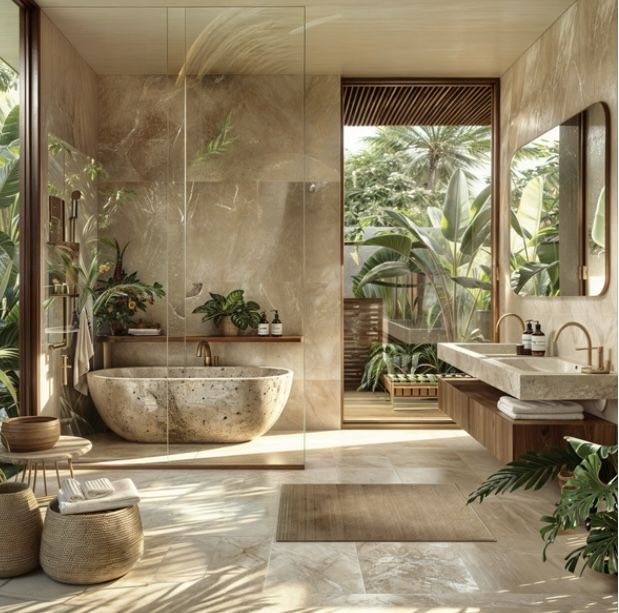
We use stone extensively for feature walls, bathroom vanities, high-traffic flooring, and exterior cladding. The natural variations in color, texture, and veining add depth and character that manufactured materials simply cannot match.
4. Hempcrete & Traditional Earthen Materials
Hempcrete — a composite made from hemp fibers and lime — is gaining serious traction in wellness-focused projects. It offers excellent insulation, natural moisture regulation, and impressive carbon-sequestering abilities. The soft, matte finish creates a calming tactile experience that works beautifully in spa treatment rooms and private bedrooms.
5. Mycelium & Bio-Based Innovations
One of the most exciting developments in materials in hospitality design 2026 is the growing use of mycelium composites. Grown from mushroom roots, these materials are being used for acoustic wall panels, decorative screens, and even lightweight furniture. While still relatively premium in cost, mycelium is zero-waste, fully biodegradable, and offers unique organic textures that diffuse light beautifully, creating a magical atmosphere in wellness spaces.
According to recent innovations highlighted by Material Bank, bio-based materials like mycelium are gaining strong traction in hospitality.
6. Low-Impact Luxury Bathrooms
Sustainable luxury in bathrooms has reached new heights. We’re now confidently specifying recycled glass or terrazzo countertops, naturally antimicrobial brass and copper fixtures, solid stone or reclaimed wood vanities, and high-performance, water-efficient showers. These choices deliver both environmental responsibility and the quiet luxury feel that discerning guests expect.
Advice for Developers & Designers in 2026
The most successful projects in materials in hospitality design 2026 begin with the site itself — carefully selecting materials that are locally abundant or have minimal transport impact. It’s equally important to balance beauty with real-world performance: the best sustainable materials enhance the guest experience rather than feeling like a compromise.
As noted in Green Hotelier reports, material choices significantly impact both guest satisfaction and operational costs.
Storytelling plays a crucial role too. Guests respond warmly when they understand the journey behind a material. In our experience, the strongest projects don’t shout about being sustainable. Instead, they demonstrate it quietly through materials that age gracefully, feel wonderful to the touch, and create spaces people genuinely want to return to.
At Xtord Designs, we specialise in thoughtful materials in hospitality design 2026 that strike the perfect balance between environmental responsibility and the elevated aesthetic expected in boutique wellness hospitality. Our goal is always to create timeless, luxurious spaces that respect both guests and the planet.
If you’re planning a hospitality or wellness project in 2026 and want to explore how the right choice of materials can elevate both design quality and long-term business performance, we would love to collaborate.
For more industry insights, see Hospitality Design Magazine
Frequently Asked Questions
Q1: Are sustainable materials more expensive in hospitality projects?
Some, like reclaimed timber and hempcrete, have higher upfront costs, while others like bamboo are very competitive. The key is evaluating long-term value, durability, and guest appeal.
Q2: Which sustainable material offers the best ROI?
Reclaimed timber and locally sourced natural stone usually deliver excellent long-term returns due to durability and strong guest appreciation.
Q3: Do guests actually care about materials?
Yes, especially wellness travelers. Many guests actively seek out properties that use natural and sustainable materials and are willing to pay a premium for them.
Q4: What is the most innovative sustainable material in 2026?
Mycelium composites are generating a lot of excitement for their zero-waste production and unique textural qualities.
Q5: How do you balance luxury with sustainability?
By choosing quality natural materials that age beautifully and focusing on craftsmanship rather than flashy finishes.
Q6: Can sustainable materials work in luxury bathrooms?
Absolutely. Recycled glass terrazzo, natural stone, and reclaimed wood create some of the most beautiful and calming bathrooms we design.
Q7: Should developers prioritize local materials?
Yes. It reduces the carbon footprint, supports the local economy, and creates a more authentic sense of place.
Q8: What’s the biggest mistake when choosing materials?
Choosing them only for marketing purposes without considering performance, maintenance, or how they contribute to the overall guest experience.