

For some time now, I’ve been speaking with high-net-worth families and investors about private villa ownership in wellness resorts. The question they always ask is: “Is this mostly an investment, or is it a lifestyle choice?”
In 2026, the answer is clear — it’s becoming both.
Owning a private villa in a low-density wellness resort has emerged as one of the most desirable ways to blend real estate investment with meaningful hospitality experiences. Here’s a practical, honest look at where private villa ownership in wellness resorts 2026 is headed.
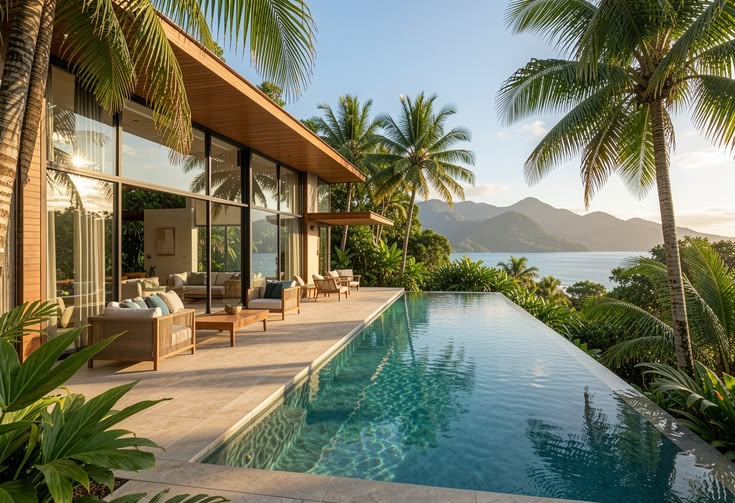
The Changing Appeal of Private Villa Ownership in Wellness Resorts 2026
Gone are the days when owning a second home meant a property that stayed empty most of the year. Today, private villas in wellness-focused resorts offer a far more compelling proposition:
- A personal sanctuary you can escape to regularly
- A high-quality asset with strong appreciation potential
- The opportunity to generate income through professionally managed rental programs
This perfect blend of lifestyle and investment is what makes private villa ownership in wellness resorts so attractive right now.
Read Also: What Are Boutique Hospitality Services in 2026? A Designer’s Honest Guide
Ownership Models in 2026
1. Pure Lifestyle Ownership You own the villa outright for personal use. This model appeals to families and individuals who want a dedicated wellness retreat they can visit multiple times a year, prioritizing privacy, space, and regular rejuvenation.
2. Hybrid Ownership with Rental Income The most popular model today. Owners use the villa for 60–120 days a year and allow professional rental management for the remaining time. Revenue is shared, helping offset maintenance costs while keeping the property as a personal asset.
3. Revenue-Sharing Resort Cottages / Villas In this innovative setup, a small cluster of villas contributes to a professionally managed rental pool. The income generated can significantly reduce — or even eliminate — annual Common Area Maintenance (CAM) costs for all owners.
The Self-Sustaining CAM Advantage
One of the biggest pain points of second-home ownership is high maintenance costs. Forward-thinking wellness resorts are solving this through self-sustaining models. By operating 8–12 professionally managed resort cottages within the community, the rental income can cover 70–100% of shared infrastructure and landscaping expenses. This makes private villa ownership in wellness resorts 2026 far more predictable and affordable long-term.
Similar innovative models are gaining traction as noted in recent reports on hospitality investment trends
Lifestyle Benefits That Truly Matter
Owning a villa in a wellness resort offers far more than just property ownership:
- A private place to disconnect, recharge, and reconnect with nature
- Seamless access to resort amenities — infinity pools, spas, sound sanctuaries, and nature trails — without hotel hassles
- Personal kitchen gardens and outdoor spaces designed for mindful living
- A meaningful family legacy asset where memories are created across generations
- The simple joy of returning to “your place” whenever you need to reset
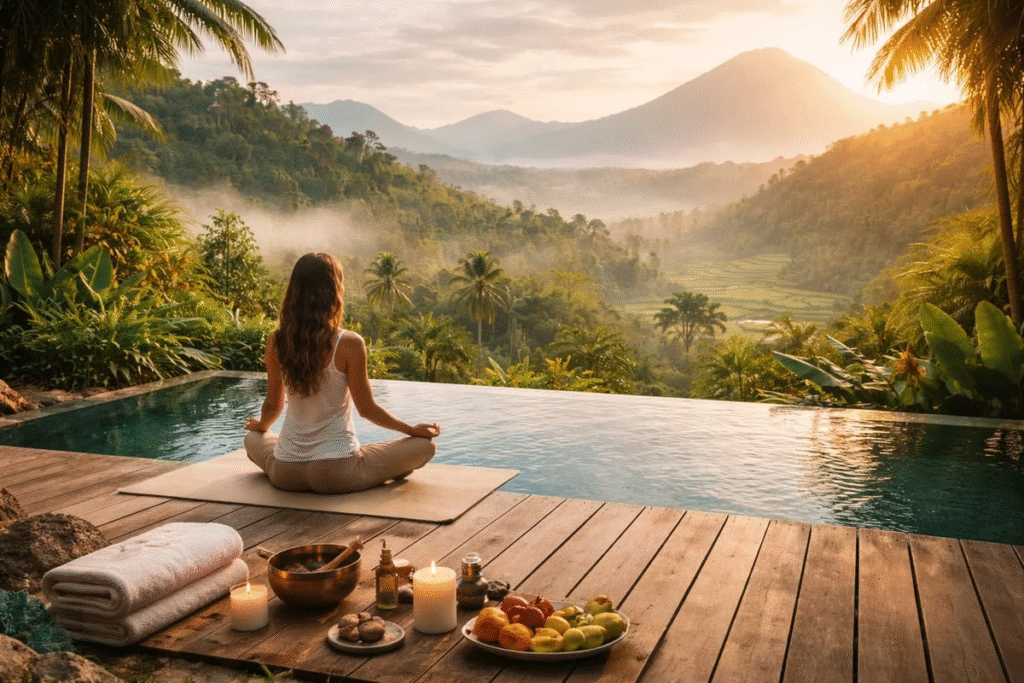
Many owners report significant improvements in sleep quality, reduced stress, and stronger family bonds.
Investment & Appreciation Potential
Wellness villa projects in well-located, nature-rich destinations are showing strong fundamentals:
- Tax Benefits: Potential advantages include depreciation, maintenance deductions, and favorable tax treatment on rental income (always consult a tax advisor).
- Appreciation: Properties in hill stations and ecologically rich areas are appreciating faster than average residential real estate due to limited supply and growing demand.
- Rental Yield: Professionally managed rentals generate income during periods of non-personal use.
According to insights from the Knight Frank Luxury Investment Report, wellness and nature-focused properties continue to show strong growth.
Important Considerations for 2026 Buyers
- Location Matters: Proximity to major cities (Delhi NCR, Hyderabad, Bengaluru, etc.) combined with natural beauty strongly influences both lifestyle enjoyment and long-term value.
- Developer Credibility: Partner with teams that have a proven track record in low-density wellness projects.
- Exit Strategy: Choose projects with thoughtful design, clear legal structures, and transparent maintenance models — these hold value best over time.
In 2026, private villa ownership in wellness resorts is no longer an either/or decision. The best projects deliver meaningful lifestyle benefits today while offering solid investment fundamentals for tomorrow.
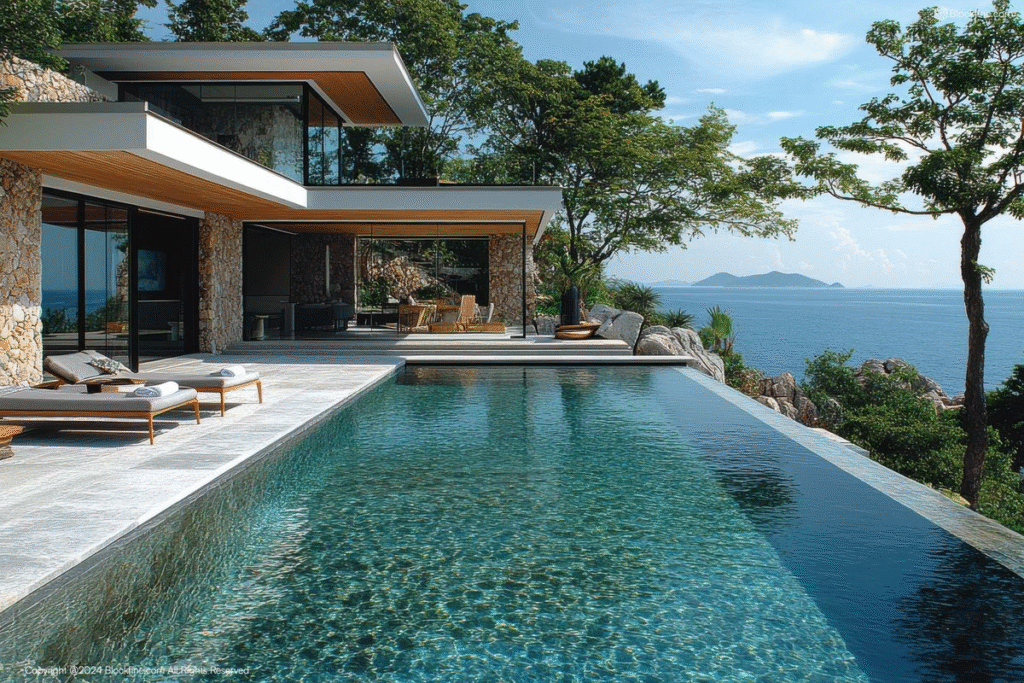
At Xtord Designs, we specialise in creating low-density wellness resorts where owning a private villa makes complete sense — both emotionally and financially. We design for lasting lifestyle value and smart, self-sustaining financial models.
If you’re considering private villa ownership in wellness resorts and need guidance on design, ownership structures, or project evaluation, we’d be happy to share our insights.
As highlighted by Forbes in their coverage of luxury real estate, blending lifestyle and investment is becoming the new standard in wellness resorts
Frequently Asked Questions
Q1: Is owning a villa in a wellness resort a good investment in 2026?
Yes, especially in well-designed, low-density projects in high-demand nature destinations. It offers both personal enjoyment and strong appreciation potential.
Q2: What is a self-sustaining CAM model?
A model where rental income from professionally managed resort cottages offsets or fully covers maintenance costs for villa owners.
Q3: How many days per year can owners typically use their villa?
Most hybrid models allow 60–120 days of personal use, with the rest professionally rented on a revenue-sharing basis.
Q1: Is owning a villa in a wellness resort a good investment in 2026?
It can be an investment when the project is well-designed low-density and located in a place with high demand for nature. It offers both lifestyle enjoyment and strong appreciation potential.
Q2: What is a self-sustaining CAM model?
It is a way of doing things where rental income from professionally managed resort cottages is used to offset or eliminate maintenance costs for villa owners.
Q3: How days per year can owners typically use their villa?
Most hybrid models allow 60-120 days of use with the rest rented out professionally on a revenue-sharing basis.
Q4: What are the main lifestyle benefits of owning a wellness villa?
Regular access to nature, privacy, wellness amenities, family bonding time and a dedicated space for rest and rejuvenation.
Q5: Are there tax benefits to owning a villa in a wellness resort?
Yes. Potential benefits include depreciation, maintenance deductions and tax treatment of income. You should always talk to a tax advisor.
Q6: How does low-density affect resale value?
Low-density projects with big plots and strong wellness positioning generally increase in value faster because they are scarce and many buyers want them.
Q7: What should buyers look for before buying?
Strong developer track record, legal structure, transparent maintenance model, quality of design and construction and location with good accessibility and natural beauty.
Q8: Is this suitable for families?
Much so. Many owners buy these villas as a family legacy asset where multiple generations can enjoy wellness and nature together.