
The Future of Indian Architecture: Xtord’s Vision for 2030. Imagine an India where buildings do not fight with nature but grow with it. Where modern structures still feel Indian at heart. Where technology makes life better, not colder. This is not a distant dream. This is where Indian architecture is clearly heading-and 2030 is closer than we think.
At XTORD Designs, we believe architecture is not just about buildings.It’s about human experiences and emotions and how people relate to the spaces around them. We, as a prominent architecture firm in Gurgaon, witness changes in client expectations, lifestyles, and environmental concerns on a daily basis. The future will require more than just aesthetically pleasing designs. It will require designs that are purposeful.
Here is Xtord’s clear vision for the future of Indian architecture by 2030.
Indian Architecture Is at a Turning Point
For years, Indian cities grew fast-but not thoughtfully. Glass boxes replaced local characters. Concrete replaced climate sense. Speed replaced soul.
That approach is no longer sustainable.
By 2030, Indian architecture will move away from copy-paste global designs and return to rooted, climate-smart, culturally aware architecture-supported by modern technology and execution discipline.
This shift is not optional. It is necessary.
1. Blending Heritage with Modernity Will Define the Future
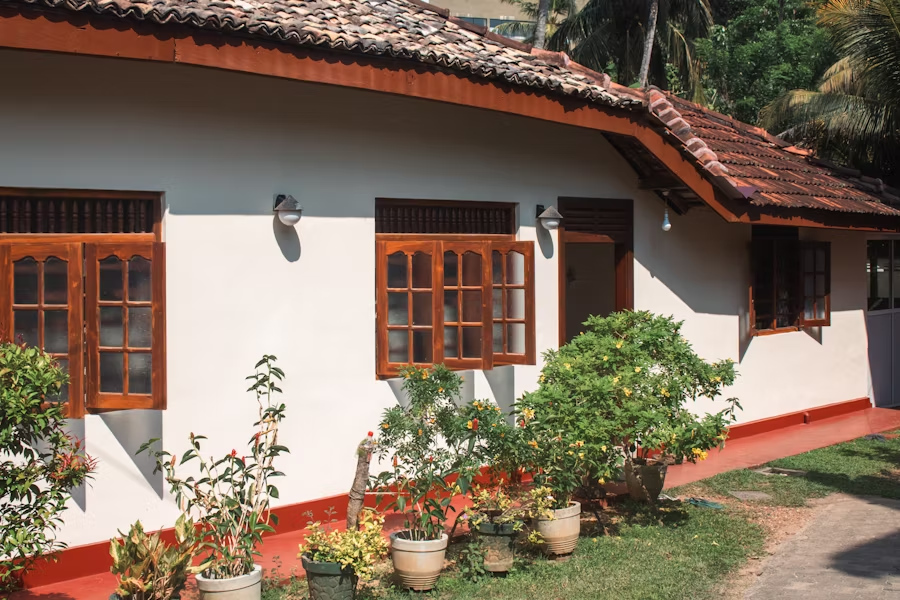
India has one of the richest architectural histories in the world. Ignoring it is a mistake. Blindly copying it is also a mistake.
The future lies in intelligent blending.
At XTORD Designs, we already practice this approach. Imagine:
- Traditional jali patterns integrated into modern façades for light and ventilation
- Local stone and terracotta used with contemporary structural systems
- Courtyards reinterpreted for urban homes and boutique hospitality projects
In one of our recent design explorations, classic Indian craftsmanship was paired with clean modern lines to create spaces that felt timeless-not trendy.
By 2030, architecture in India will not look old or ultra-modern.
It will look confidently Indian and globally relevant.
2. Sustainability Will Be a Basic Requirement, Not a Feature
Let’s be honest-sustainability is often used today as a marketing word.
By 2030, Indian architecture will naturally include:
- Passive cooling and climate-responsive layouts
- Solar integration without visual compromise
- Green roofs and shaded terraces as standard elements
- Smart material choices that reduce heat and energy load
Luxury will no longer mean excess.
Luxury will mean efficiency, comfort, and long-term value.
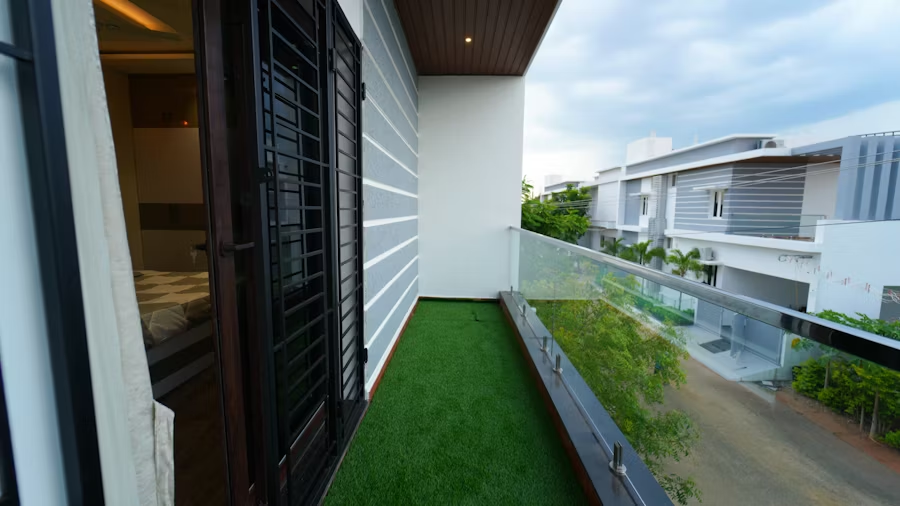
Homes and commercial spaces that waste energy simply will not make sense anymore-economically or ethically.
3. Technology Will Improve Living, Not Replace Human Experience
Technology is reshaping architecture-but it should never overpower it.
The future is not about flashy gadgets. It is about quiet intelligence.
By 2030, buildings will:
- Adjust lighting and temperature based on usage
- Use AI-backed systems for energy optimisation
- Allow clients to visualise spaces through immersive design tools before construction
At XTORD Designs, technology already plays a key role in how we design, coordinate, and execute projects. Digital modelling helps us avoid mistakes early and refine details with precision.
But one thing will never change-architecture must feel human.
Technology should support comfort, well-being, and clarity. Not confusion.
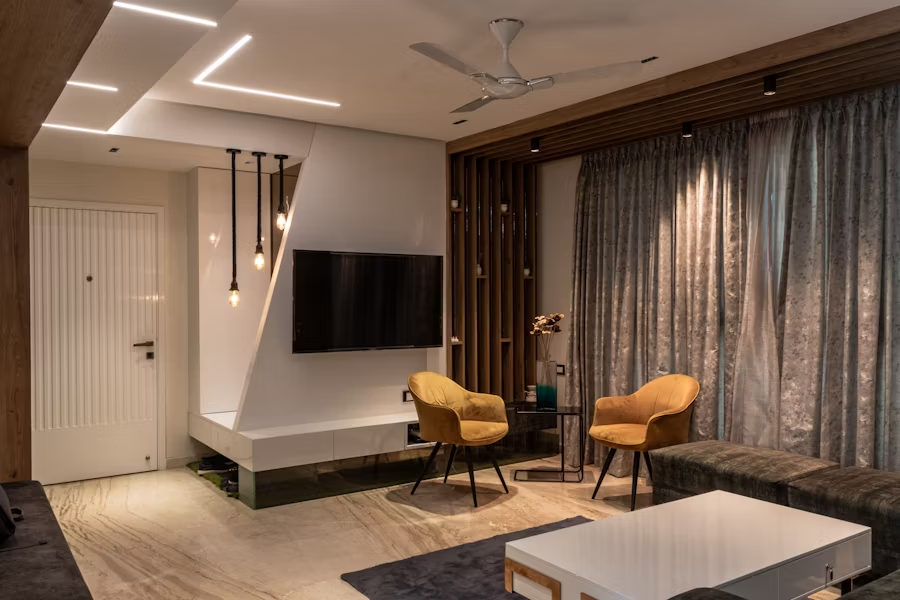
4. Indian Architecture Will Become More People-Centric
Future architecture will not be ego-driven. It will be user-driven.
Clients no longer ask only for “big” or “luxurious” spaces. They ask for:
- Homes that feel calm after long workdays
- Workspaces that improve productivity without stress
- Hospitality spaces that feel personal, not mechanical
As an architecture firm working closely with clients in Gurgaon and NCR, we see this shift clearly.
By 2030:
- Biophilic design will become common
- Natural light and ventilation will guide layouts
- Spaces will be designed for real behaviour, not brochure images
Architecture will focus less on impressing visitors and more on supporting everyday life.
5. Execution Quality Will Define Architectural Credibility
Great ideas fail with poor execution. This is a hard truth.
The future of Indian architecture will reward firms that can design well and deliver well.
By 2030:
- Process-driven execution will be essential
- Coordination between consultants will be tighter
- Construction technology will reduce errors and delays
XTORD Designs believes strong architecture is built on:
- Clear documentation
- Transparent workflows
- Attention to detail on-site
Design credibility comes from buildings that age well, not just look good on day one.
Why Xtord’s Vision Matters
Indian architecture is stepping into a global spotlight. The choices we make today will shape cities, lifestyles, and environmental impact for decades.
Xtord’s vision for 2030 is built on three clear pillars:
- Respect for Indian context
- Responsibility towards the environment
- Confidence in modern tools and methods
As a trusted architecture firm in Gurgaon, we don’t chase trends. We study behaviour, climate, materials, and culture-and then design with purpose.
Ready to Design the Future?
If you are planning:
- A residence that feels modern yet rooted
- A hospitality project with long-term value
- A space that balances beauty, function, and sustainability
XTORD Designs is ready to partner with you.
The future of Indian architecture is not loud.
It is thoughtful, balanced, and enduring.
FAQs – The Future of Indian Architecture
1. How will Indian architecture change by 2030?
Indian architecture will focus more on sustainability, local materials, climate-responsive design, and people-centric spaces.
2. Why is blending heritage with modern design important?
Blending heritage with modern design generates architecture that is not only culturally grounded but also adaptable to contemporary lifestyle and technology requirements.
3. What role does sustainability play in future architecture?
Sustainability is going to be the fundamental design prerequisite that results in a significant reduction of energy consumption and environmental impact.
4. How does technology improve architectural design?
Technology facilitates architectural design by making it more precise in terms of planning, efficient in terms of coordination, energy saving, and comfortable for the users.
5. Why choose a professional architecture firm in Gurgaon like XTORD Designs?
Local expertise, execution experience, and a deep understanding of urban Indian contexts ensure better long-term results.